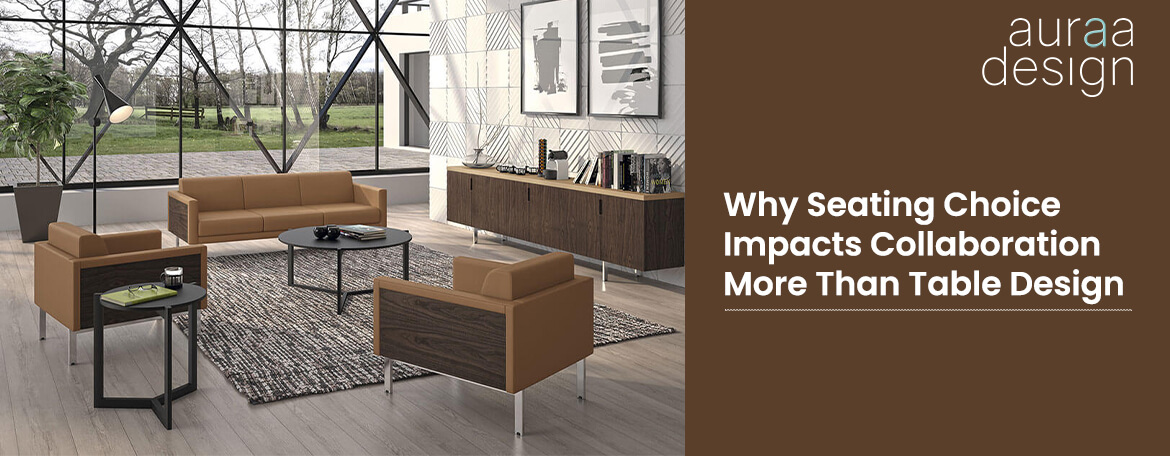
Why Seating Choice Impacts Collaboration More Than Table Design
Introduction
In collaborative office environments, meeting tables often receive the most attention. Shape, size, and finish are carefully selected to suit boardrooms and shared spaces. However, experience has shown that seating plays a far greater role in determining how collaboration actually functions day to day.
Why Seating Choice Impacts Collaboration More Than Table Design
Seating affects how long people stay engaged, how comfortably they interact, and how naturally discussions unfold. As collaboration increasingly moves beyond formal meeting rooms into breakout areas and shared zones, seating choice has become a key factor in shaping effective teamwork.
Seating That Extends Collaboration Beyond Formal Meeting Rooms
Collaboration no longer happens exclusively around meeting tables. Offices now rely on breakout areas, informal seating zones, and shared spaces to support quick discussions and team alignment throughout the day.
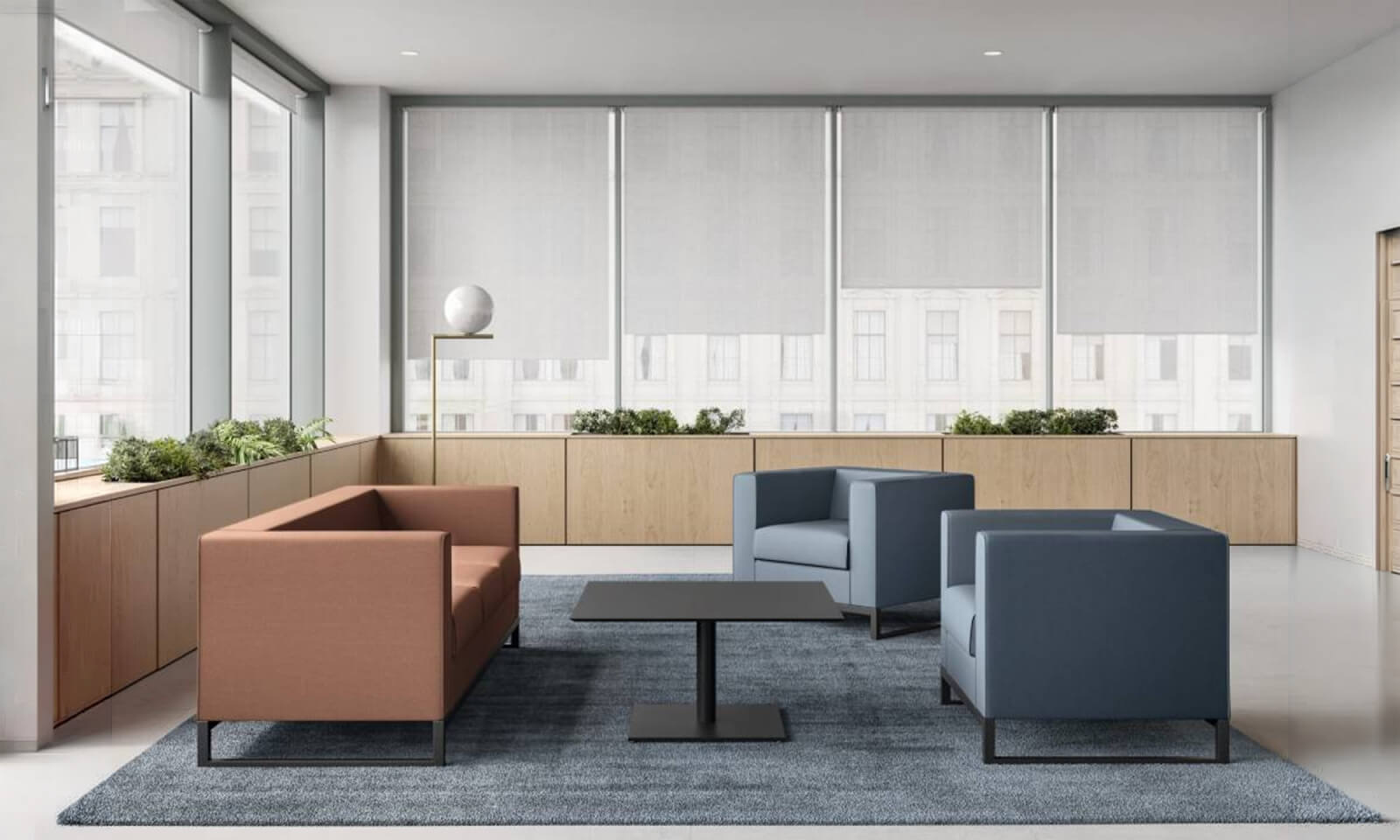
Seating placed outside meeting rooms allows collaboration to happen closer to where work takes place. Lounge seating, visitor chairs, and breakout seating make it easier for teams to gather briefly without disrupting schedules or occupying formal rooms unnecessarily. This flexibility supports more frequent and natural collaboration across the workspace.
Comfort Levels That Influence the Quality and Duration of Collaboration
The quality of collaboration is closely linked to physical comfort. Meetings and discussions often extend longer than planned, and seating that does not support posture or comfort can limit attention and participation.
Supportive seating allows teams to remain focused during longer sessions without distraction. When people are comfortable, discussions are more considered and productive. In this context, seating has a greater impact on collaboration than table design alone, especially in spaces used for extended work or planning sessions.
Seating That Shapes Posture, Orientation, and Engagement
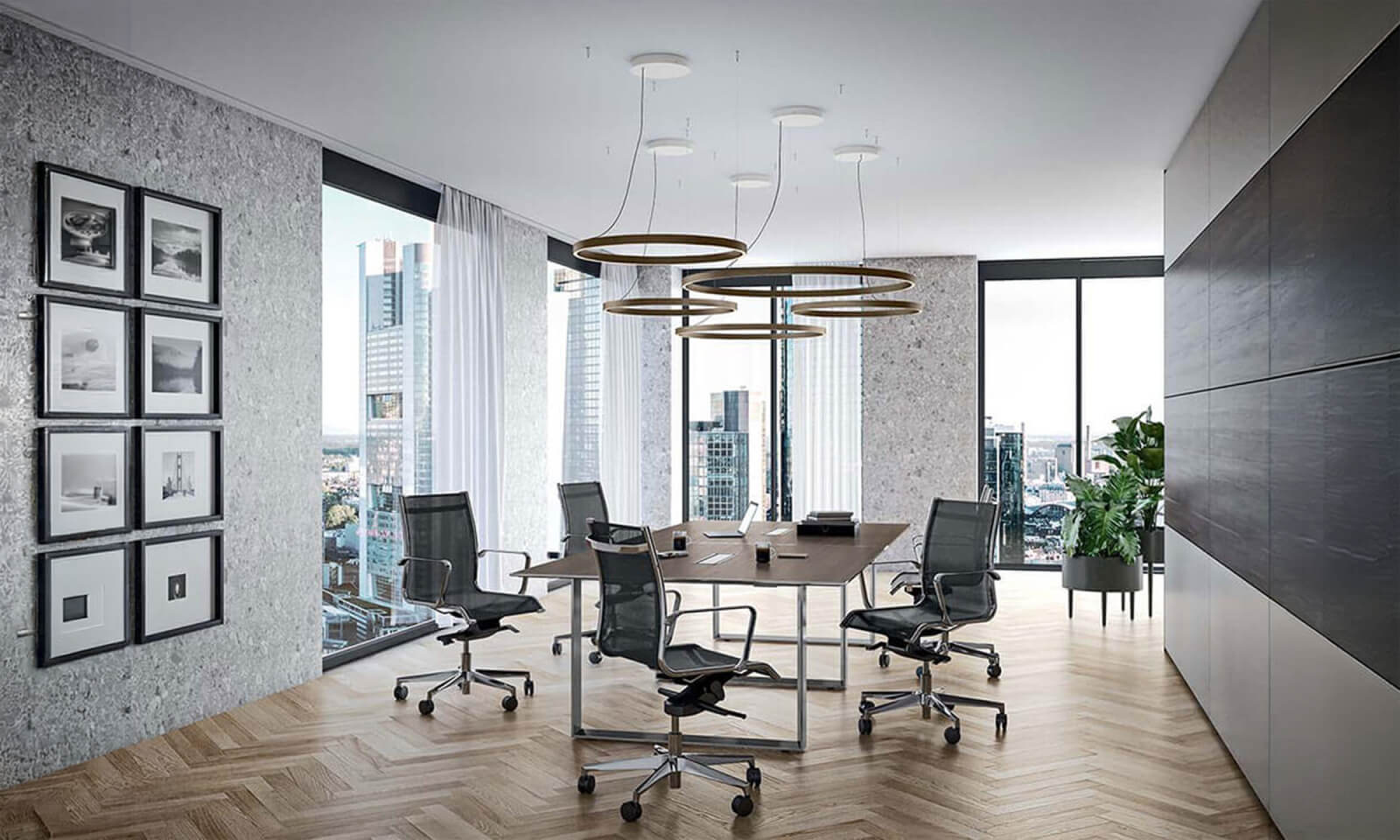
How people sit directly influences how they engage with others. Seating controls posture, body orientation, and eye level, all of which affect communication. Upright seating supports attentiveness, while softer seating encourages relaxed exchange.
Seating arrangements that allow slight movement or repositioning help conversations feel less rigid. This flexibility supports balanced participation and encourages more natural interaction, regardless of the table format used in the space.
Different Seating Types That Support Different Collaboration Styles
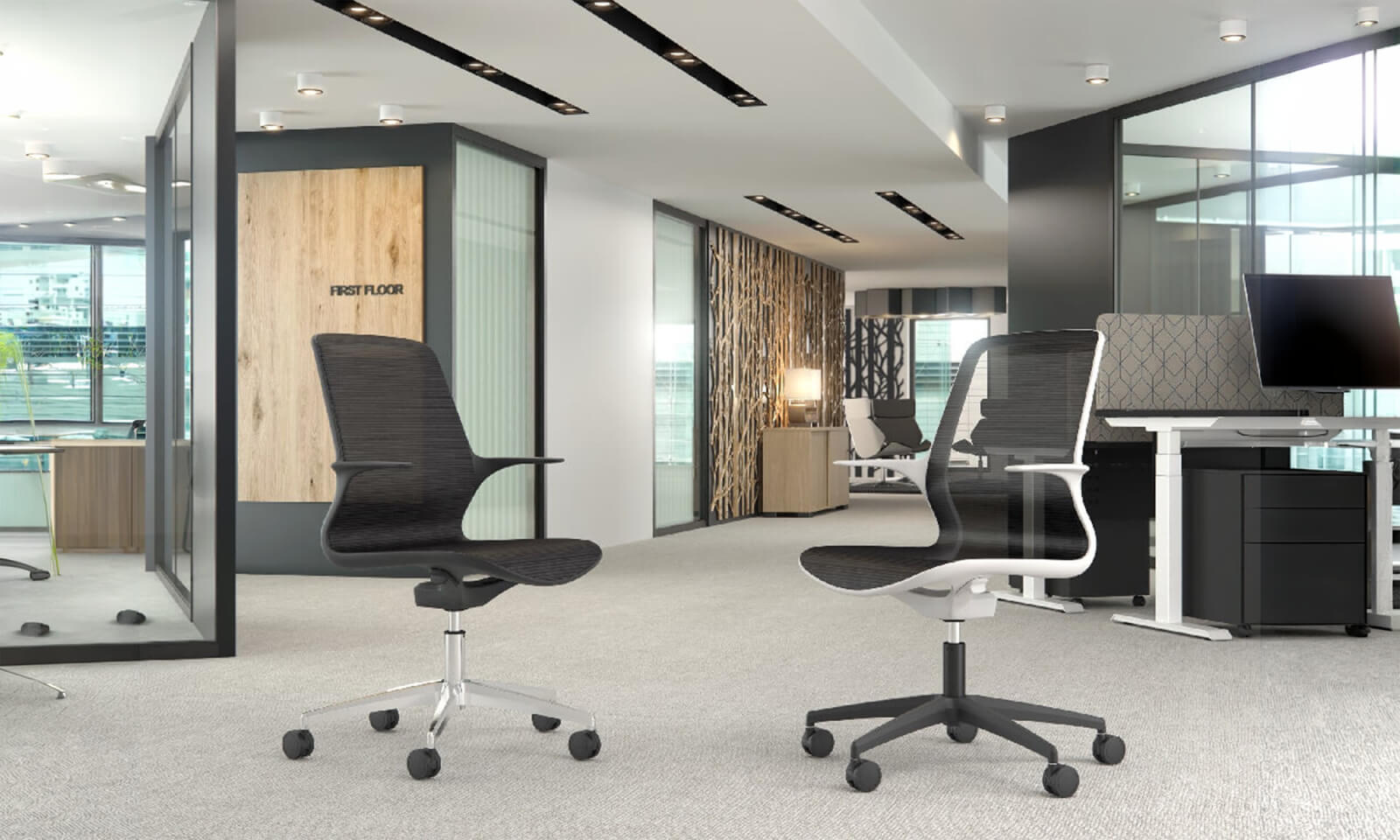
Modern offices support a range of collaboration styles, from quick check-ins to focused group work. No single seating type can accommodate every scenario.
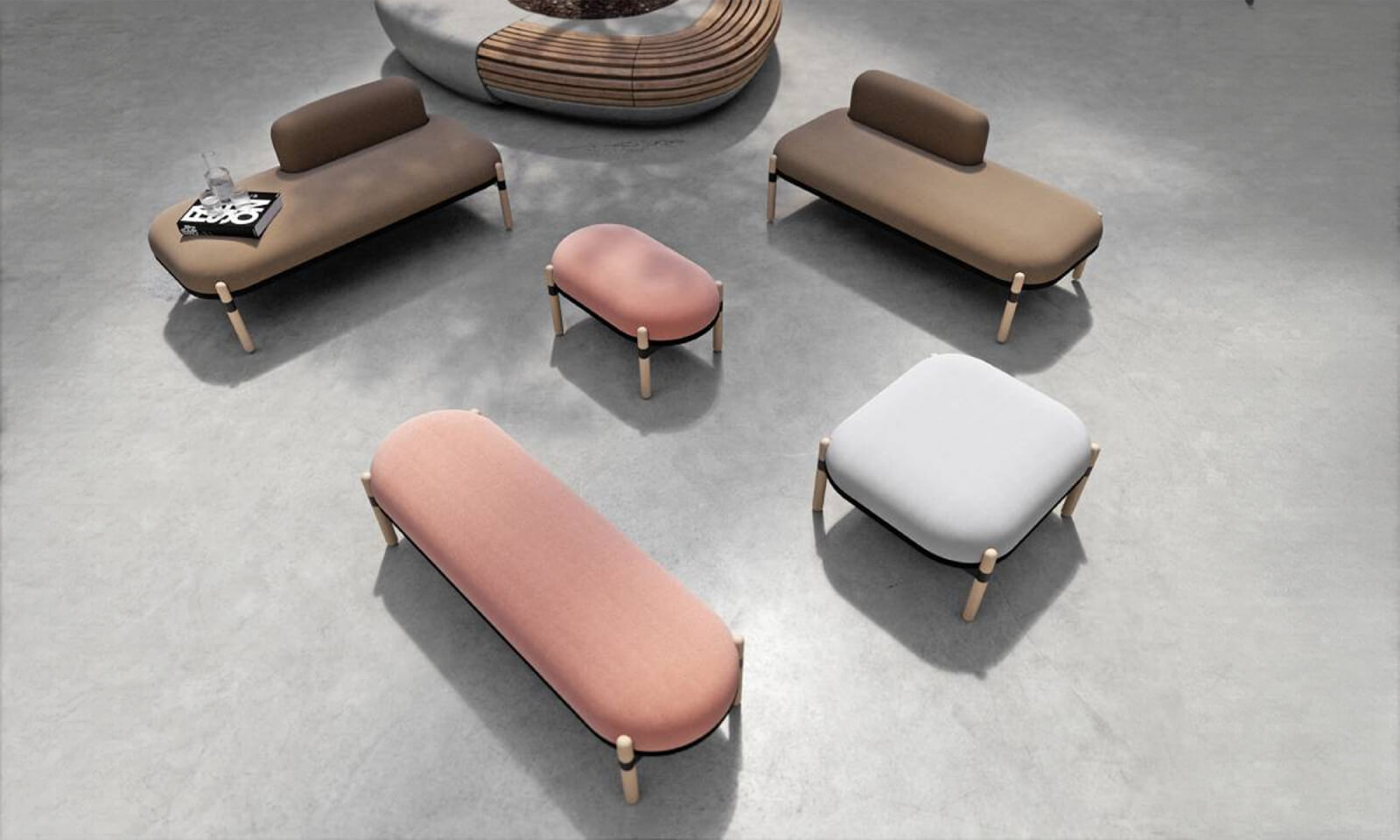
A mix of seating options across the workspace allows collaboration to adapt to different tasks and team sizes. Lounge seating supports informal discussions, upright chairs suit structured meetings, and flexible seating allows spaces to shift as needs change. This variety ensures collaboration remains functional without relying solely on table design.
Wrapping Up
While tables provide structure, seating defines how collaboration is experienced. Comfort, posture, flexibility, and placement all influence how teams interact, contribute, and stay engaged.
By prioritising seating alongside table design, offices can support collaboration that extends beyond meeting rooms and adapts to different ways of working.
Contact us today to explore seating and workspace solutions designed to support effective collaboration across modern offices.
RELATED POSTS

Height Adjustable Desks : A Simple Way to Boost Focus and Energy

The Anatomy of a Well-Matched Workspace: Layout, Furniture, and Flow

Soft vs Hard Edges in Office Furniture

Designing a Reception Desk That Meets DDA Access Standards Without Losing Style

Hot desking: what is it and how to implement it
Height Adjustable Desks : A Simple Way to Boost Focus and Energy
The Anatomy of a Well-Matched Workspace: Layout, Furniture, and Flow
Soft vs Hard Edges in Office Furniture
Designing a Reception Desk That Meets DDA Access Standards Without Losing Style
Hot desking: what is it and how to implement it
Height Adjustable Desks : A Simple Way to Boost Focus and Energy
The Anatomy of a Well-Matched Workspace: Layout, Furniture, and Flow
Soft vs Hard Edges in Office Furniture
Designing a Reception Desk That Meets DDA Access Standards Without Losing Style