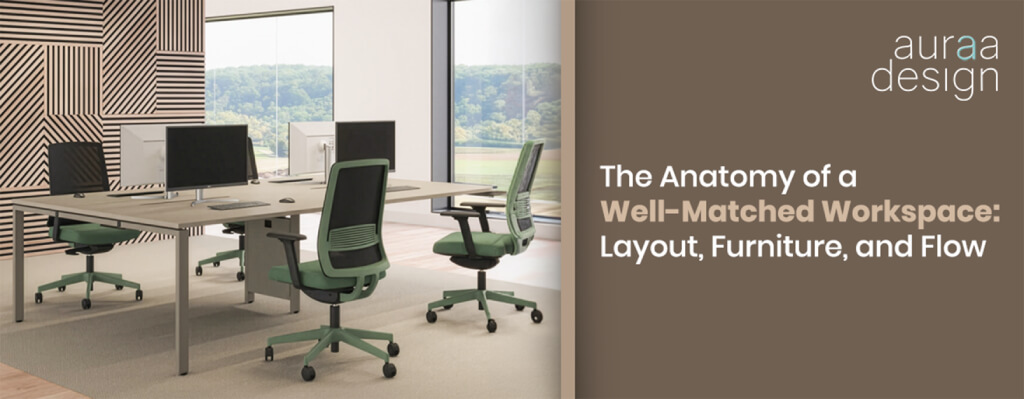
The Anatomy of a Well-Matched Workspace: Layout, Furniture, and Flow
Introduction
A well-matched workspace is not defined by individual furniture pieces but by how layout, furniture, and movement work together. When these elements are aligned, offices feel easier to use, more organised, and better suited to daily work demands.
The Anatomy of a Well-Matched Workspace: Layout, Furniture, and Flow
In modern workplaces, flow has become just as important as form. Layout decisions, furniture placement, and zone planning all influence how smoothly people move between tasks, collaborate, and focus. Understanding how these elements connect helps create workspaces that feel structured without becoming restrictive.
Layout Planning That Reflects How Teams Work
Effective layout planning begins with understanding how work happens throughout the day. Teams move between desks, meeting areas, breakout zones, and focused spaces, often multiple times within a single day.
Layouts that reflect these patterns reduce unnecessary movement and friction. By positioning workstations, meeting tables, and breakout seating based on real usage rather than fixed hierarchy, offices support smoother transitions between tasks and better overall flow.
Furniture Placement That Supports Clear Movement and Access
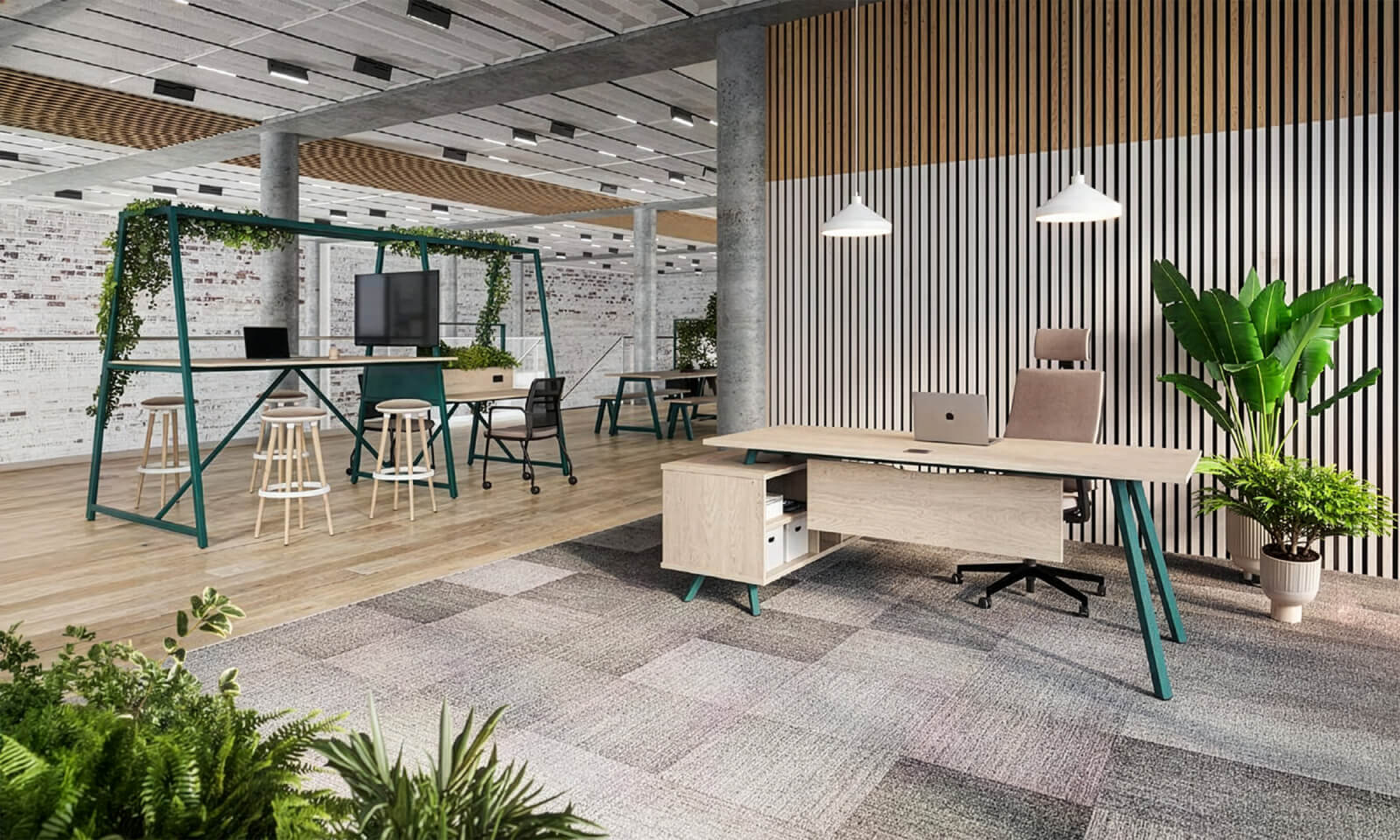
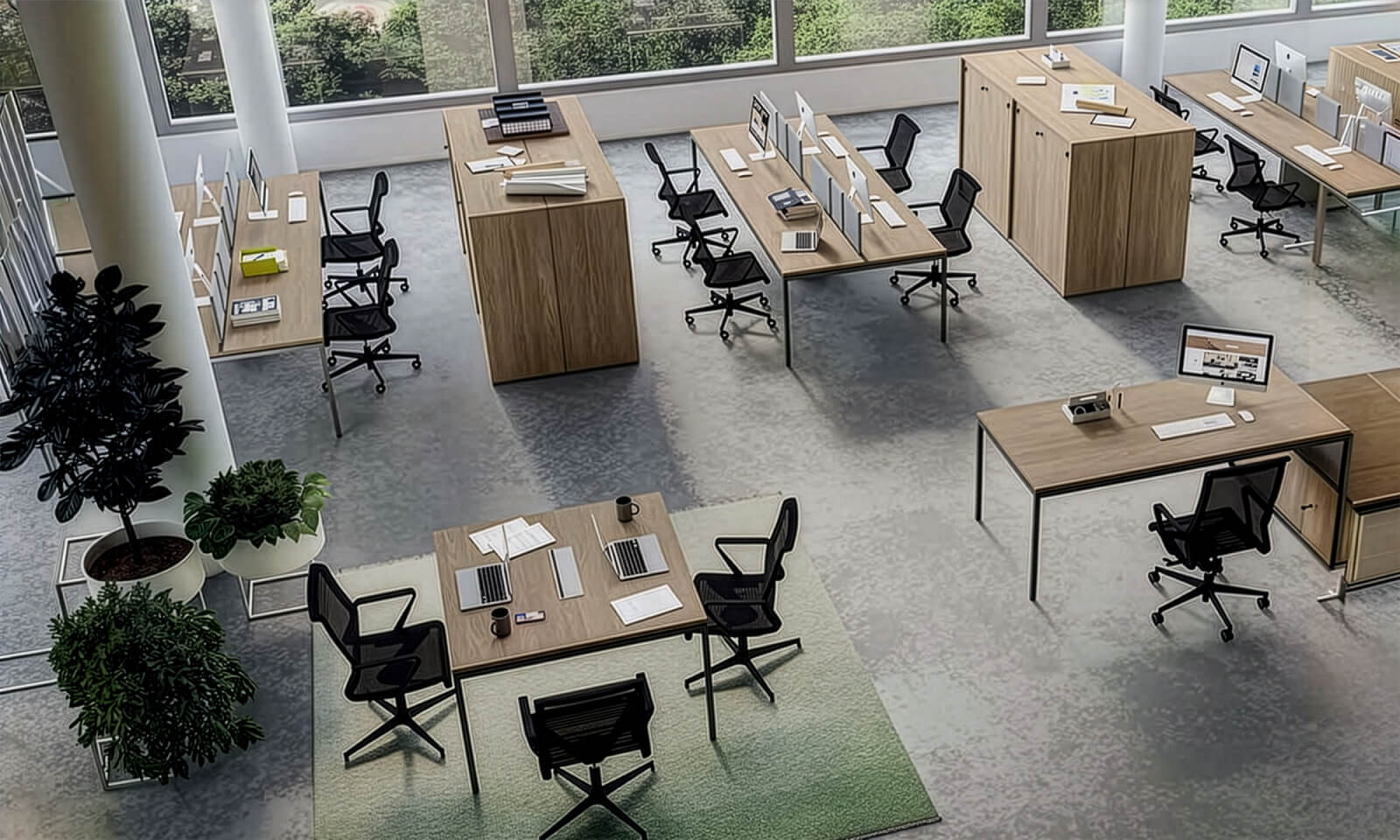
Furniture placement plays a key role in how easily people navigate the workspace. Poorly positioned desks, storage units, or meeting tables can interrupt movement and create bottlenecks.
Thoughtful placement ensures clear access routes, comfortable spacing, and ease of movement between zones. When furniture is positioned with circulation in mind, the workspace feels more open and intuitive without sacrificing functionality.
Matching Furniture Types to Different Work Zones
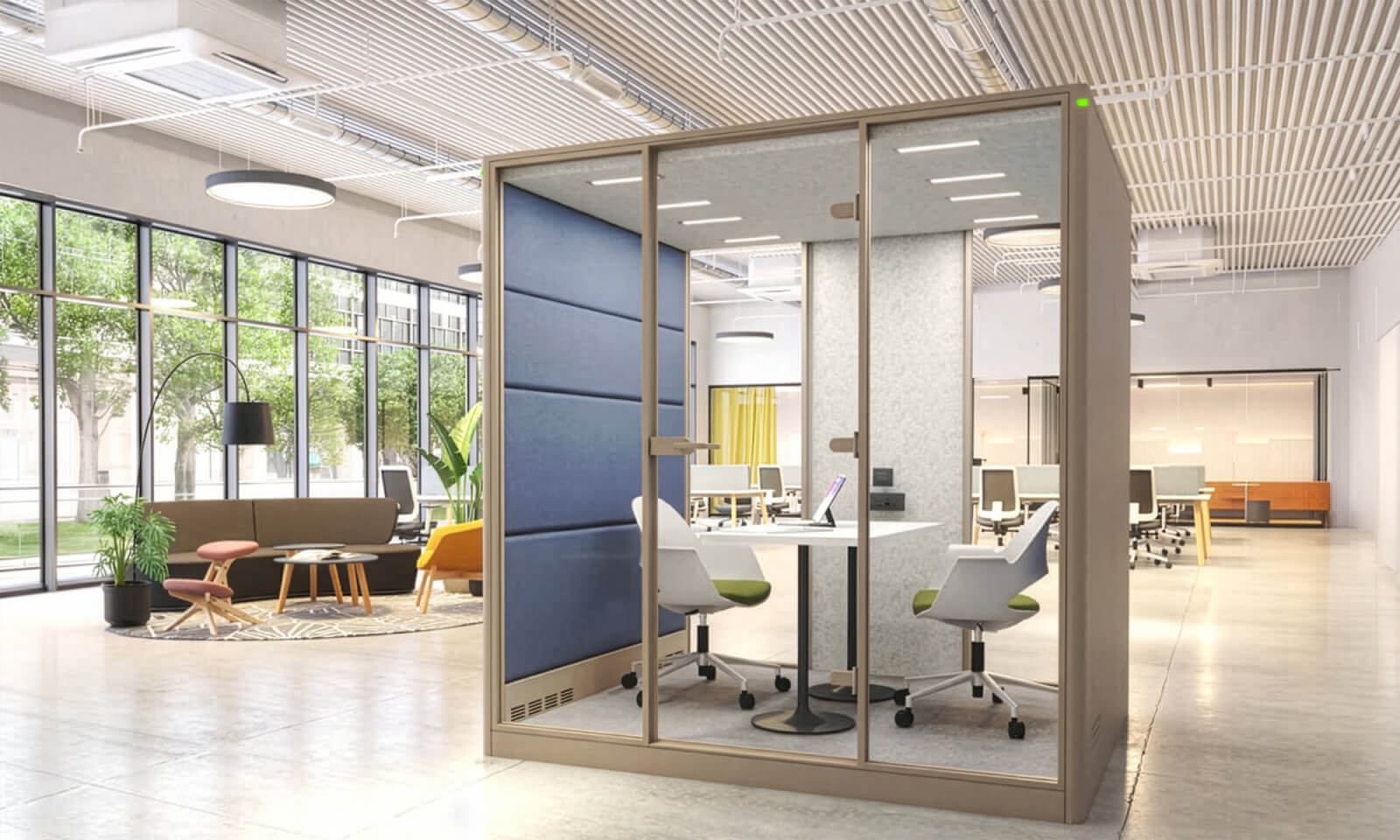
Different areas of the office serve different purposes, and furniture selection should reflect this. Workstations support focused tasks, meeting tables structure collaboration, breakout seating encourages informal discussion, and acoustic solutions support privacy where needed.
Matching furniture types to specific zones helps each area function as intended. This clarity reduces overlap between activities and ensures that each space supports the work it is designed for.
Creating Flow Through Consistent Furniture Systems
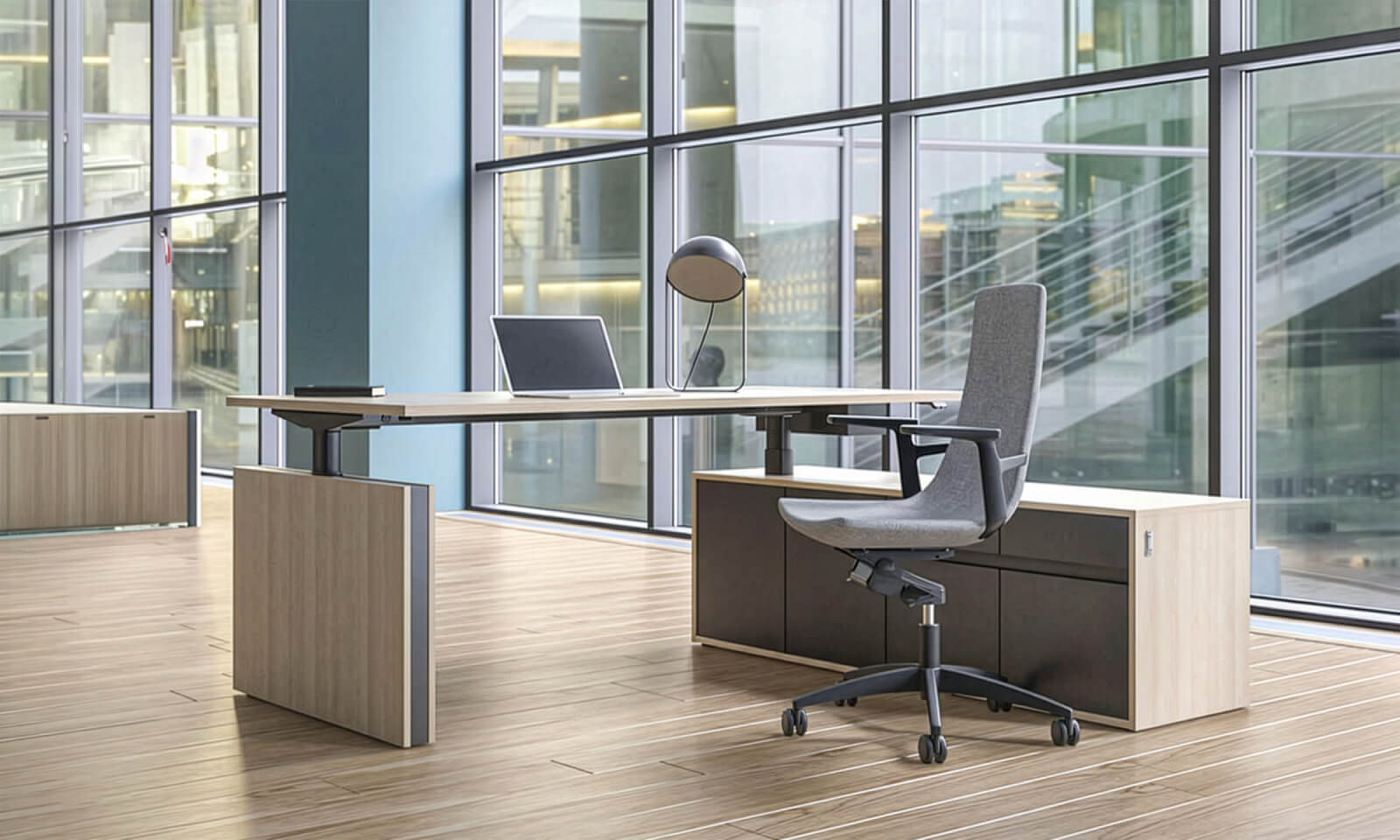
Flow is strengthened when furniture systems work together visually and functionally. Consistency in proportions, finishes, and design language across desks, storage, and meeting furniture helps the workspace feel unified rather than fragmented.
Using coordinated furniture systems allows different areas of the office to transition smoothly from one zone to another. This continuity supports both movement and visual clarity, making the workspace easier to understand and use.
Designing Spaces That Can Adapt Without Disruption
A well-matched workspace must be able to adapt as teams grow and work patterns change. Flexible layouts, modular furniture, and configurable systems allow spaces to evolve without major reconfiguration.
When adaptability is built into layout and furniture planning, offices can adjust zones, add seating, or reassign areas with minimal disruption. This flexibility helps maintain flow over time, even as needs shift.
Wrapping Up
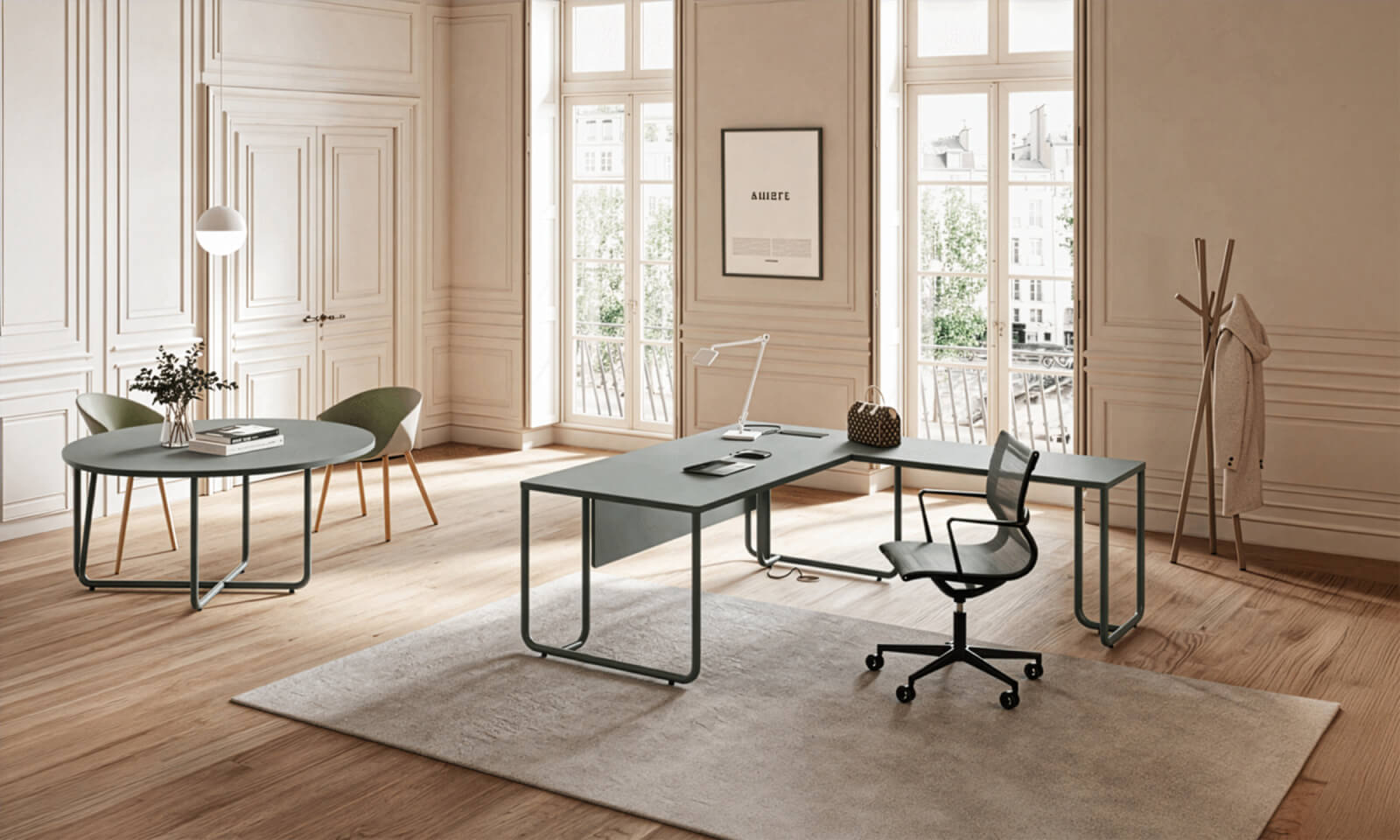
A well-matched workspace is the result of thoughtful alignment between layout, furniture, and flow. When these elements work together, offices feel more structured, easier to navigate, and better suited to everyday work.
By planning layouts around real use, placing furniture with movement in mind, and selecting systems that remain adaptable, workplaces can maintain clarity and functionality over time.
Contact us today to explore office furniture and layout solutions designed to support balanced, well-planned workspaces.
RELATED POSTS

Height Adjustable Desks : A Simple Way to Boost Focus and Energy

Soft vs Hard Edges in Office Furniture

Designing a Reception Desk That Meets DDA Access Standards Without Losing Style

Hot desking: what is it and how to implement it

Why Seating Choice Impacts Collaboration More Than Table Design
Height Adjustable Desks : A Simple Way to Boost Focus and Energy
Soft vs Hard Edges in Office Furniture
Designing a Reception Desk That Meets DDA Access Standards Without Losing Style
Hot desking: what is it and how to implement it
Why Seating Choice Impacts Collaboration More Than Table Design
Height Adjustable Desks : A Simple Way to Boost Focus and Energy
Soft vs Hard Edges in Office Furniture
Designing a Reception Desk That Meets DDA Access Standards Without Losing Style
Hot desking: what is it and how to implement it