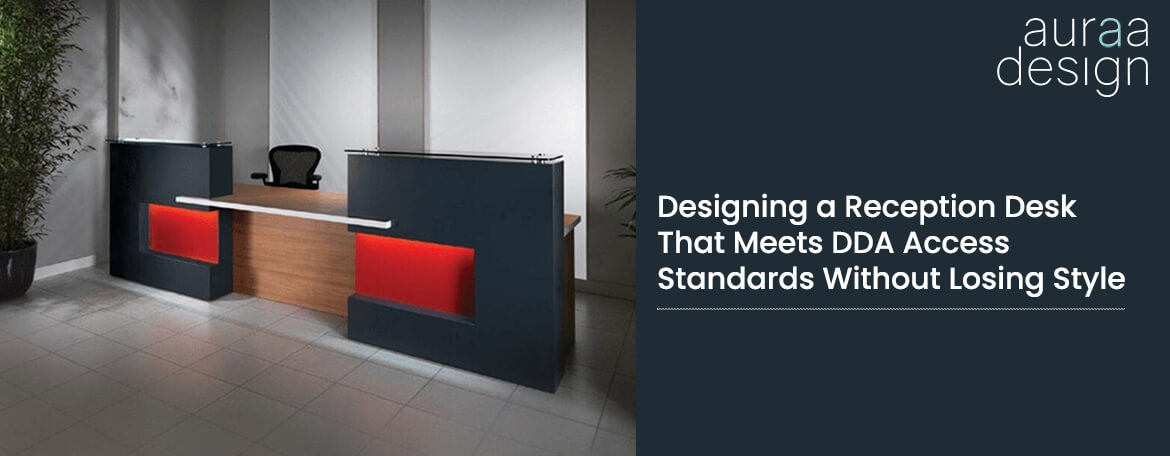
Designing a Reception Desk That Meets DDA Access Standards Without Losing Style
Table of Contents
1. Introduction
2. Designing a Reception Desk That Meets DDA Access Standards Without Losing Style
2.1. Accessibility considerations reshaped how reception desks were designed
2.2. Dual-height desk designs supported inclusive interaction without visual disruption
2.3. Compliance worked best when accessibility was integrated early into design planning
2.4. Reception desks remained visually consistent when accessibility was balanced
3. Wrapping Up
Introduction
Reception areas sit at the intersection of functionality, experience, and visual identity. Accessibility has become an essential part of reception design rather than a secondary consideration. This includes DDA access, which focuses on ensuring that reception spaces can be used comfortably and independently by people with different mobility and physical needs.
Designing a Reception Desk That Meets DDA Access Standards Without Losing Style
Offices have increasingly recognised that when DDA access is addressed early in the design process, reception desks can support inclusive interaction without compromising on appearance. Thoughtful choices around desk height, approach space, and layout planning allow reception areas to remain professional, welcoming, and visually consistent while meeting practical access needs.
Accessibility considerations reshaped how reception desks were designed
As accessibility became a standard expectation, it influenced the overall approach to reception desk design. Rather than treating access requirements as additions, offices found that incorporating them into the initial design process led to more cohesive outcomes.
Desk proportions, counter levels, and interaction points were planned more intentionally, resulting in reception desks that supported a wider range of users while maintaining a clean and structured appearance.
Dual-height desk designs supported inclusive interaction without visual disruption
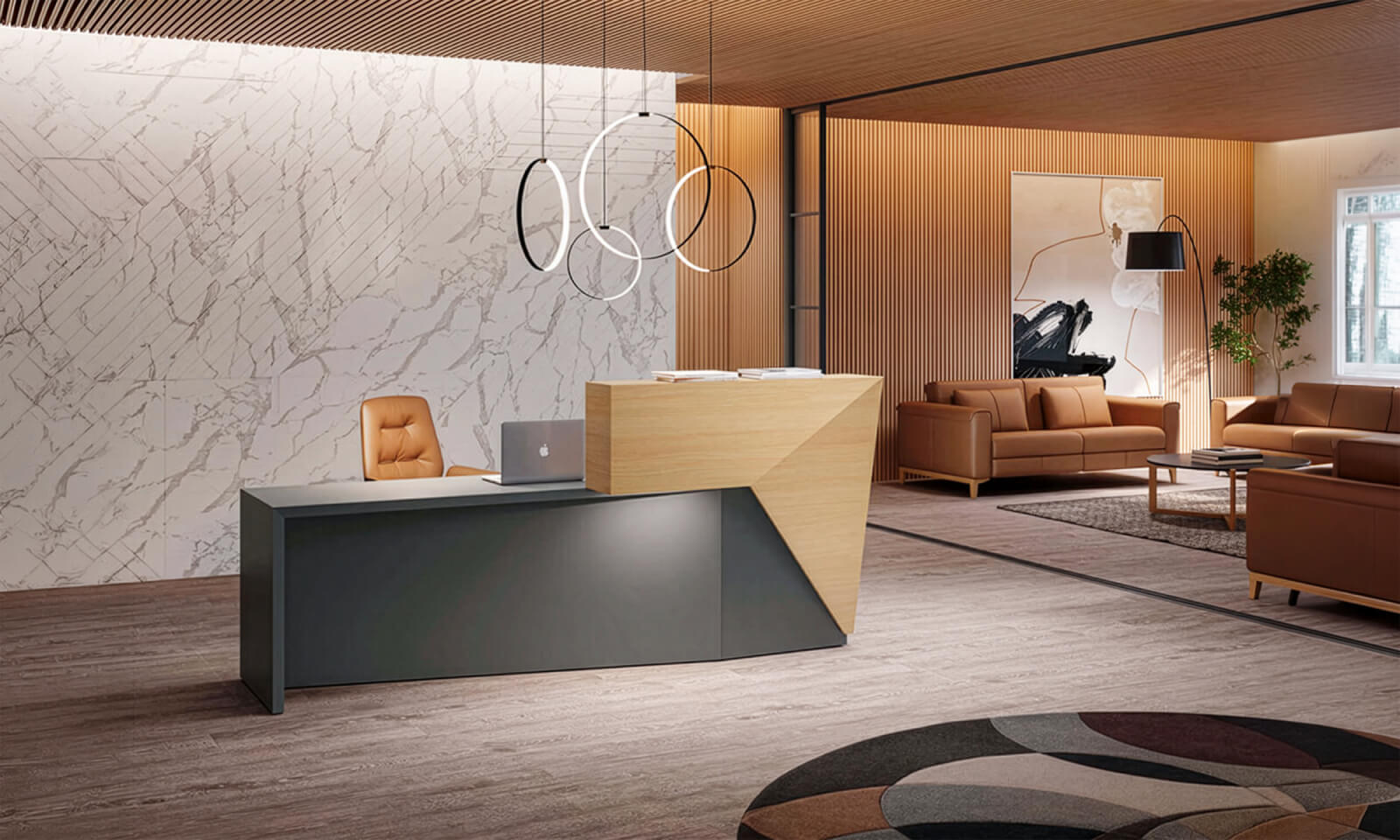
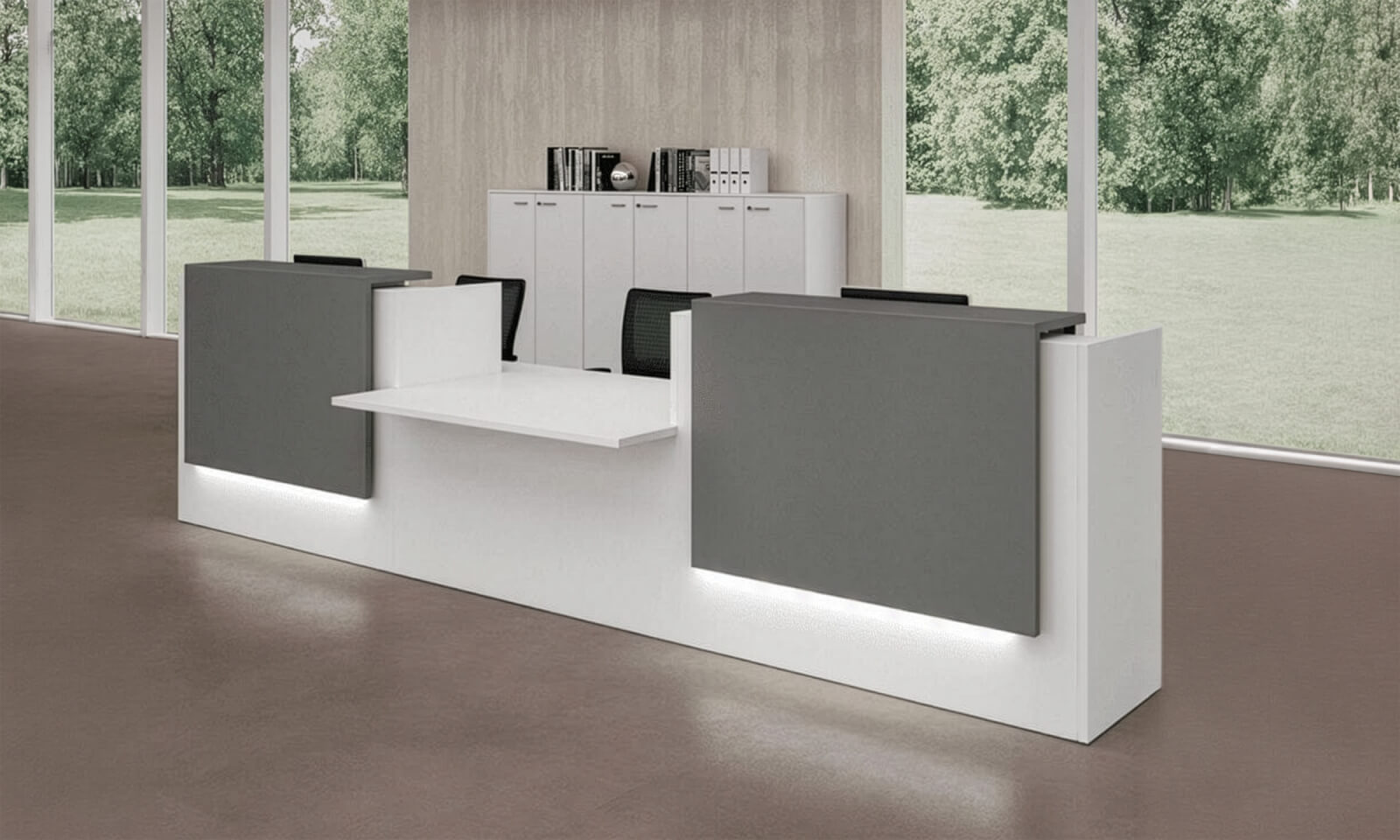
Dual-height reception desks emerged as a practical solution for balancing accessibility and everyday functionality. Offices noticed that providing multiple counter levels allowed visitors and staff to interact comfortably, regardless of mobility needs.
When designed thoughtfully, these variations blended seamlessly into the overall desk structure, ensuring that inclusive access did not interrupt the visual flow of the reception area.
Compliance worked best when accessibility was integrated early into design planning
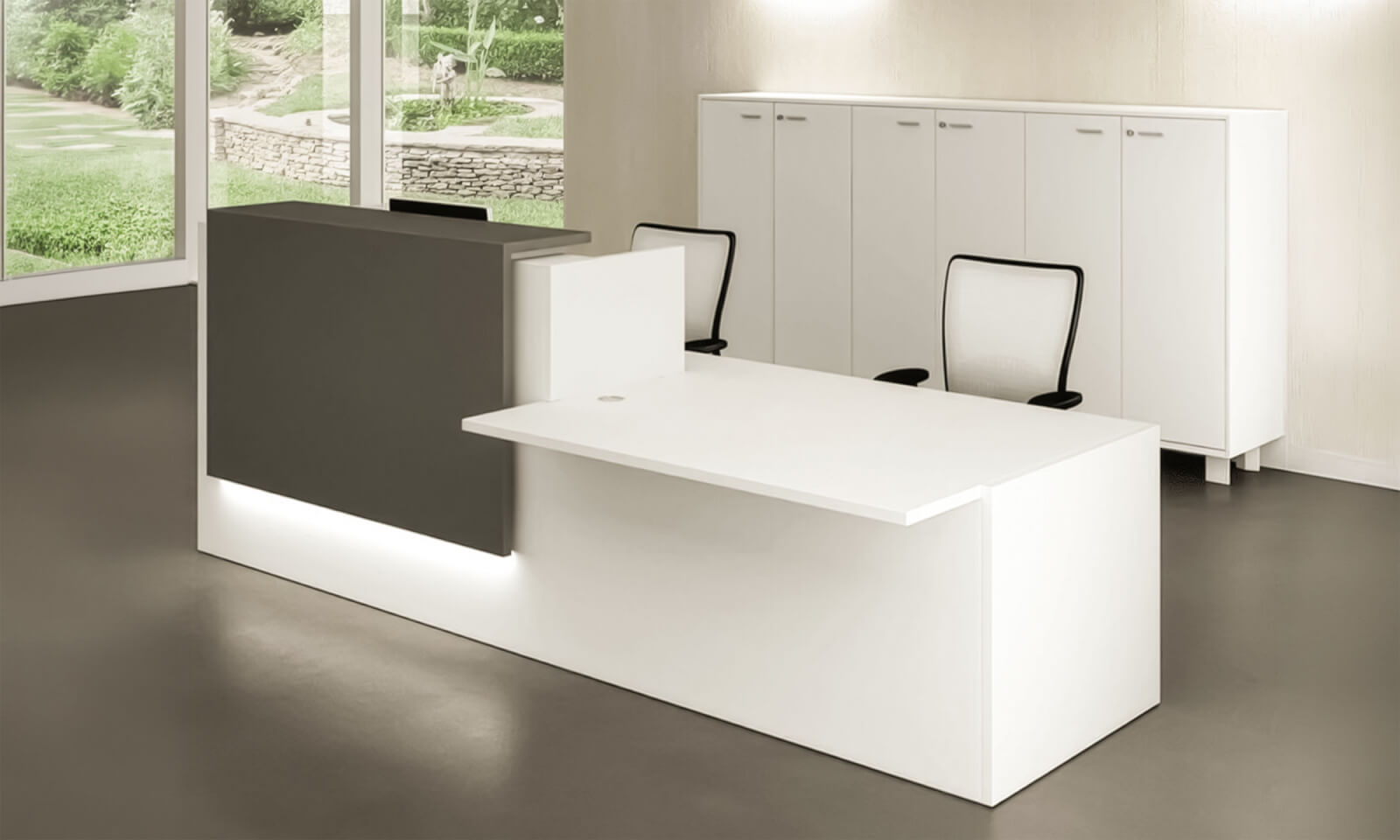
Reception desks that addressed accessibility early in the planning stage tended to feel more resolved and intentional. Offices observed that early integration reduced the need for visible adjustments later on and allowed design elements to remain aligned throughout the space.
This approach supported smoother coordination between layout, circulation, and desk placement, resulting in reception areas that functioned efficiently without appearing constrained by compliance requirements.
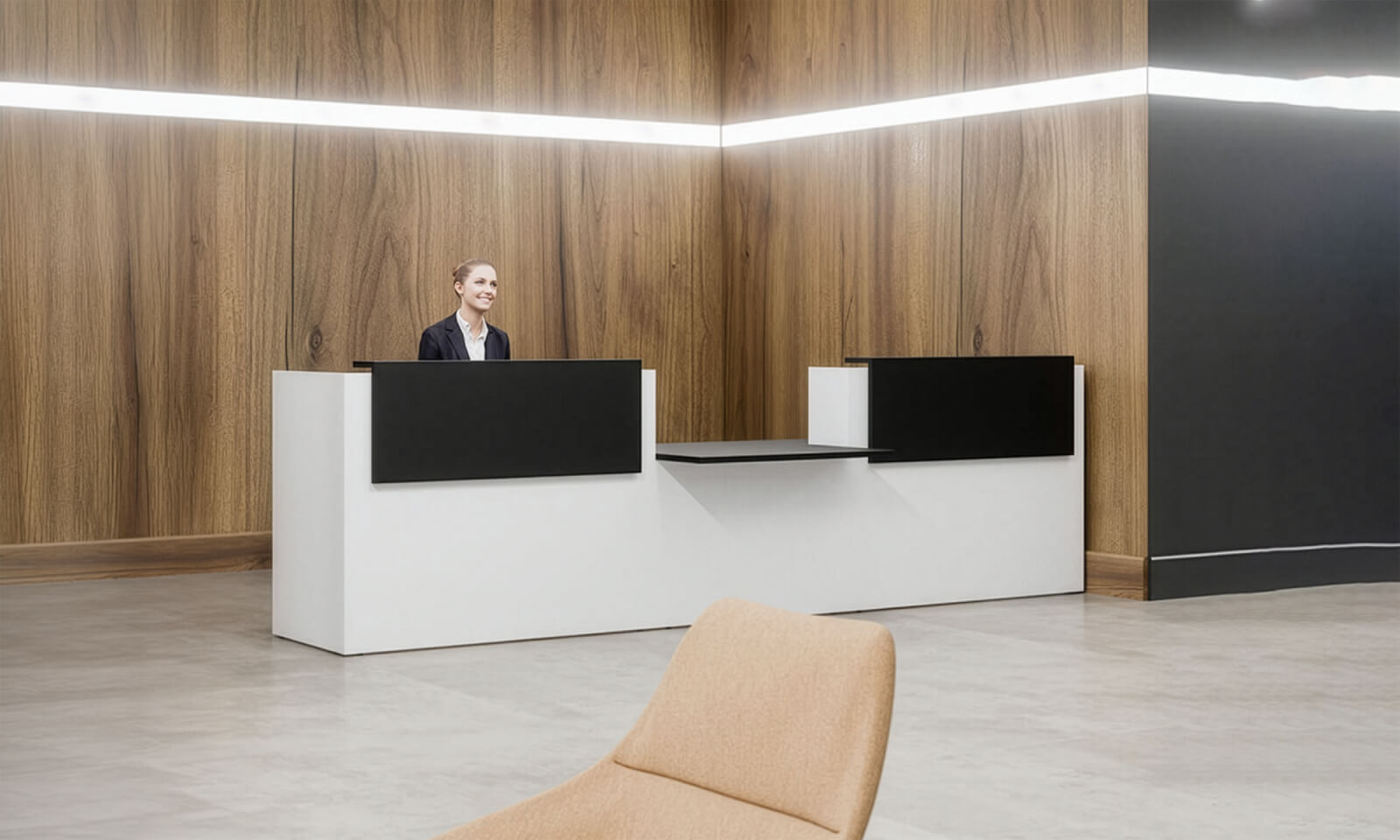
Reception desks remained visually consistent when accessibility was balanced
A key learning was that accessibility and visual appeal did not need to compete. Reception desks maintained a refined and professional presence when materials, finishes, and proportions were selected with both considerations in mind.
Offices found that when accessibility features were incorporated subtly, the reception area continued to reflect brand identity and design intent while remaining welcoming and easy to use.
Wrapping Up
Designing reception desks that meet DDA access standards without losing style requires a balanced and integrated approach. When accessibility is considered early and treated as part of the overall design, reception desks can support inclusive interaction while maintaining visual consistency and professionalism.
These observations reinforce the importance of thoughtful planning in creating reception spaces that function well for everyone and continue to reflect the character of the workplace. Contact us today to discuss reception desk solutions designed to support accessibility, functionality, and cohesive workplace design.
RELATED POSTS

Height Adjustable Desks : A Simple Way to Boost Focus and Energy

The Anatomy of a Well-Matched Workspace: Layout, Furniture, and Flow

Soft vs Hard Edges in Office Furniture

Hot desking: what is it and how to implement it

Why Seating Choice Impacts Collaboration More Than Table Design
Height Adjustable Desks : A Simple Way to Boost Focus and Energy
The Anatomy of a Well-Matched Workspace: Layout, Furniture, and Flow
Soft vs Hard Edges in Office Furniture
Hot desking: what is it and how to implement it
Why Seating Choice Impacts Collaboration More Than Table Design
Height Adjustable Desks : A Simple Way to Boost Focus and Energy
The Anatomy of a Well-Matched Workspace: Layout, Furniture, and Flow
Soft vs Hard Edges in Office Furniture
Hot desking: what is it and how to implement it