Hot desking: what is it and how to implement it
Workplaces are evolving fast, and one trend reshaping how teams use office space is hot desking. This is where, instead of assigning permanent desks, employees choose from available workstations each day, creating a more flexible, collaborative, and cost-efficient environment.
As hybrid work becomes the norm, many businesses are turning to this method to better match space design with real usage, while giving staff greater freedom in how and where they work. In this blog, we’ll break down what hot desking is, why it’s gaining popularity, and share practical steps to implement it successfully without disrupting productivity or culture.
What is hot desking?
Hot desking is a flexible workplace system where employees don’t have assigned desks and instead use any available workstation when they come into the office. Designed to maximise space efficiency and support hybrid work, it allows businesses to adapt to fluctuating attendance while still encouraging collaboration across teams.
Rather than rows of permanently empty desks, hot desking creates a dynamic environment where space is shared based on real-time needs. This is often supported by desk booking tools, clear etiquette guidelines, and thoughtfully designed work zones to keep the experience smooth and space conducive to productivity.
What are the benefits of hot desking?
Hot desking comes with many benefits for both employees and the company overall. A few of the benefits include:
- Better use of office space and lower real estate costs since desks aren’t left unused when employees work remotely.
- Promotes flexibility, giving staff the freedom to choose where they sit based on their tasks or collaboration needs, which can boost productivity and engagement.
- Encourages people to move around and interact with different teams, which strengthens communication and sparks new ideas.
- When paired with clear processes and the right technology, it supports hybrid work models smoothly while creating a more dynamic and adaptable workplace.
- It can create a cleaner, more modern workplace as there are no personal items lying around, and desks are kept tidier and more hygienic. It promotes a “tidy desk, tidy mind” approach, which can reduce distractions and increase focus.
- It can break down any hierarchies. By scrapping assigned seating, it creates an inclusive culture where junior staff and management can interact more often with ease.
What are the disadvantages of hot desking?
While hot desking comes with many great benefits, there are some disadvantages that should be taken into consideration for this process:
- Employees may feel a loss of personal space or ownership, which can impact comfort and job satisfaction.
- Without proper planning, it can lead to confusion, wasted time searching for available desks, or overcrowded areas.
- There’s also a higher risk of technical or logistical issues if IT infrastructure isn’t standardised.
- Shared workspaces can sometimes make collaboration or focus difficult due to noise or movement.
- If the company culture isn’t fully supportive, employees may resist the change, seeing it as disruptive rather than beneficial.
Luckily, with the right implementation and tactics, you can mitigate or even avoid these disadvantages altogether. If you want to learn how to implement hot desking the right way, keep reading, as we’re going to share some of the best practices with you below.
How to implement hot desking in your workplace?
Hot desking is a great thing to introduce into your workplace; however, it’s not without its challenges. To help you introduce this change in the right way, here are some of the best tips for a smooth transition.
Set up the right IT infrastructure
Setting up the right IT infrastructure is a crucial step in implementing hot desking successfully. Since employees will be moving between desks rather than having a fixed workspace, each workstation needs to support seamless, plug-and-play functionality.
This includes guaranteeing fast and secure Wi-Fi, reliable network access, standardised hardware such as monitors, docking stations, keyboards, and mice at every desk, as well as implementing cloud-based tools and shared drives for easy access to files. Try to implement Strong IT support and clear guidelines for login and security protocols, as this ensures that staff can start work immediately at any desk without technical disruptions.
Investing in the right infrastructure not only keeps productivity high but also helps employees feel confident and comfortable in a flexible workspace.
Use a desk booking system
The first thing you’ll need to do for this is to find and implement a good booking system. You’ll be able to find these online (or you can create your own if it’s easier for your team). A good system allows employees to easily see which desks are available, reserve a workspace in advance, and plan their office days without stress – a frustrating booking system will deter employees from this change and may even make some resent it. Features like real-time availability, calendar integration, mobile access, and usage analytics make it easier to manage space efficiently and avoid overcrowding.
Some systems even allow booking for specific zones, such as quiet areas or collaboration spaces, giving employees more control over their work environment, so think about the space you have available and the needs of your staff when considering these more advanced tools.
By streamlining reservations and providing transparency, a desk booking system helps ensure that hot desking is organised, fair, and user-friendly for everyone.
Establish clear policies and etiquette
Establishing clear policies and etiquette is key to making hot desking work smoothly for everyone. Since desks are shared, employees need simple, well-communicated guidelines around cleanliness, personal belongings, noise levels, and how long a workstation can be used or reserved.
For example, encouraging people to clear their desks at the end of the day, use lockers for storage, and respect designated quiet zones helps keep the space organised and comfortable. Clear expectations reduce confusion and conflict, create a sense of fairness, and ensure that the flexible workspace remains productive rather than chaotic.
Drive culture buy-in
Driving cultural buy-in is one of the most important factors in the success of hot desking, as even the best systems can fail without employee support. Companies should clearly communicate the reasons for the change, such as increased flexibility, better collaboration, and more efficient use of space, while addressing common concerns about losing personal desks or routines. Involving employees early through surveys, pilot programs, and feedback sessions helps them feel heard and included in the process.
Providing training on booking tools and setting realistic expectations also builds confidence. When people understand the benefits and feel supported, hot desking is far more likely to be embraced as a positive shift rather than a disruption.
Provide storage and flexible work zones
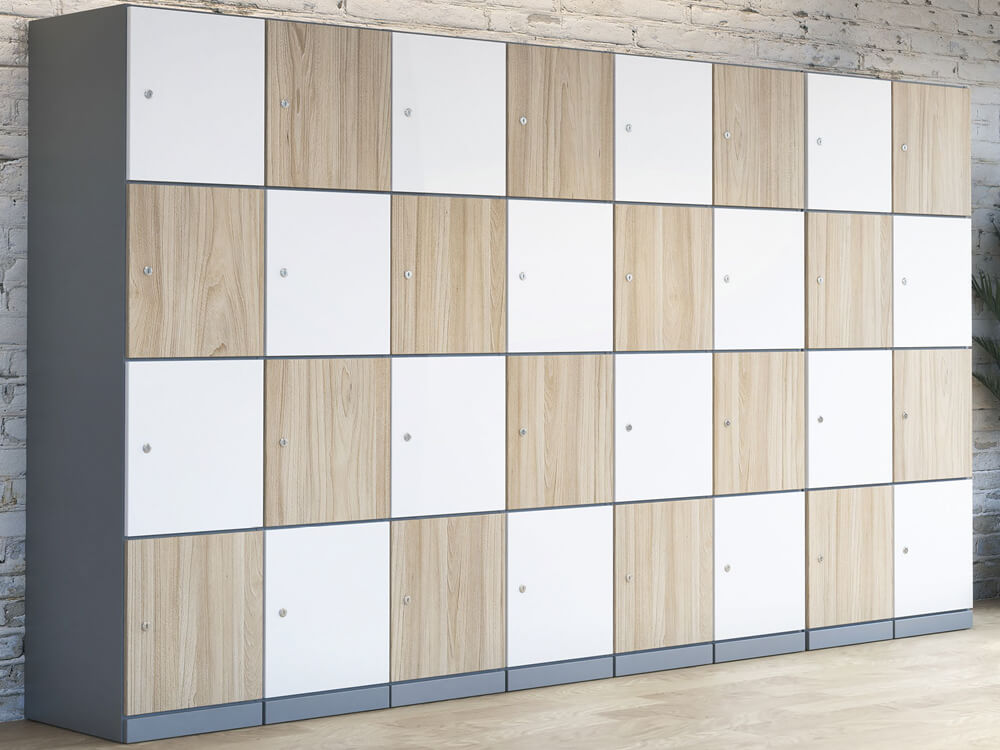
Since workers no longer have assigned desks, secure lockers or storage units, such as this Gaetan Large Storage Unit, gives them a place to keep laptops, documents, and personal items without cluttering shared spaces.
At the same time, designing a variety of work zones, such as quiet areas using office pods, collaborative tables, meeting rooms, and casual breakout spaces, allows employees to choose environments that suit their tasks throughout the day. This balance of storage and adaptable spaces helps maintain organisation, supports different working styles, and makes the hot desking experience feel intentional rather than temporary or chaotic.
Monitor, adapt and improve
For this change to work in the long-term, you need to observe and adapt to the needs of your team. By tracking desk usage data through booking systems and gathering regular employee feedback, businesses can identify patterns such as peak office days, underused areas, or common frustrations.
This insight makes it easier to adjust layouts, add more high-demand work zones, refine policies, or upgrade technology where needed. Treating hot desking as an ongoing process rather than a one-time rollout helps maintain productivity, improve employee satisfaction, and ensure the workspace continues to support both business goals and flexible work styles.
Implement hot desking design with Auraa Design
Hot desking can be a powerful way to create a more flexible, efficient, and collaborative workplace when it’s implemented thoughtfully. By investing in the right IT infrastructure, using a reliable booking system, setting clear policies, supporting employees through cultural change, and designing adaptable workspaces, organisations can avoid common challenges and unlock the full benefits of this approach.
If you’re looking to begin implementing hotdesking in your workplace, make sure you have everything you need to support your employees and browse our office storage collection and smart desk solutions for furniture that supports this change. If you’re looking to completely revamp your office in order to better support hotdesking, discover our free 3D space planning service and let our experts help you make the most of your space in a way that promotes workflow and productivity.
RELATED POSTS

Height Adjustable Desks : A Simple Way to Boost Focus and Energy

The Anatomy of a Well-Matched Workspace: Layout, Furniture, and Flow

Soft vs Hard Edges in Office Furniture

Designing a Reception Desk That Meets DDA Access Standards Without Losing Style

Why Seating Choice Impacts Collaboration More Than Table Design
Height Adjustable Desks : A Simple Way to Boost Focus and Energy
The Anatomy of a Well-Matched Workspace: Layout, Furniture, and Flow
Soft vs Hard Edges in Office Furniture
Designing a Reception Desk That Meets DDA Access Standards Without Losing Style
Why Seating Choice Impacts Collaboration More Than Table Design
Height Adjustable Desks : A Simple Way to Boost Focus and Energy
The Anatomy of a Well-Matched Workspace: Layout, Furniture, and Flow
Soft vs Hard Edges in Office Furniture
Designing a Reception Desk That Meets DDA Access Standards Without Losing Style