Soft vs Hard Edges in Office Furniture
Introduction
Edge design is one of the most subtle yet influential aspects of office furniture. While often overlooked, the way edges are shaped plays a direct role in how furniture is used, how people move around it, and how a space feels throughout the day.
Soft vs Hard Edges in Office Furniture
In modern office environments, the choice between soft and hard edges is rarely about appearance alone. It affects circulation, comfort, safety, and how different zones within the office function together. Understanding where each edge type works best allows furniture to support both practicality and spatial clarity.
How Edge Design Influences Movement and Spatial Flow
Edge profiles have a direct impact on how people move through a space. Hard, angular edges create clear boundaries and guide circulation in a structured way, while softer, rounded edges allow movement to feel more flexible and less constrained.
In shared and high-traffic areas, softer edges reduce visual sharpness and make it easier to navigate around furniture. In contrast, defined edges are often used where alignment and order are required, helping furniture sit precisely within planned layouts.
Soft Edges That Support Comfort and Informal Interaction
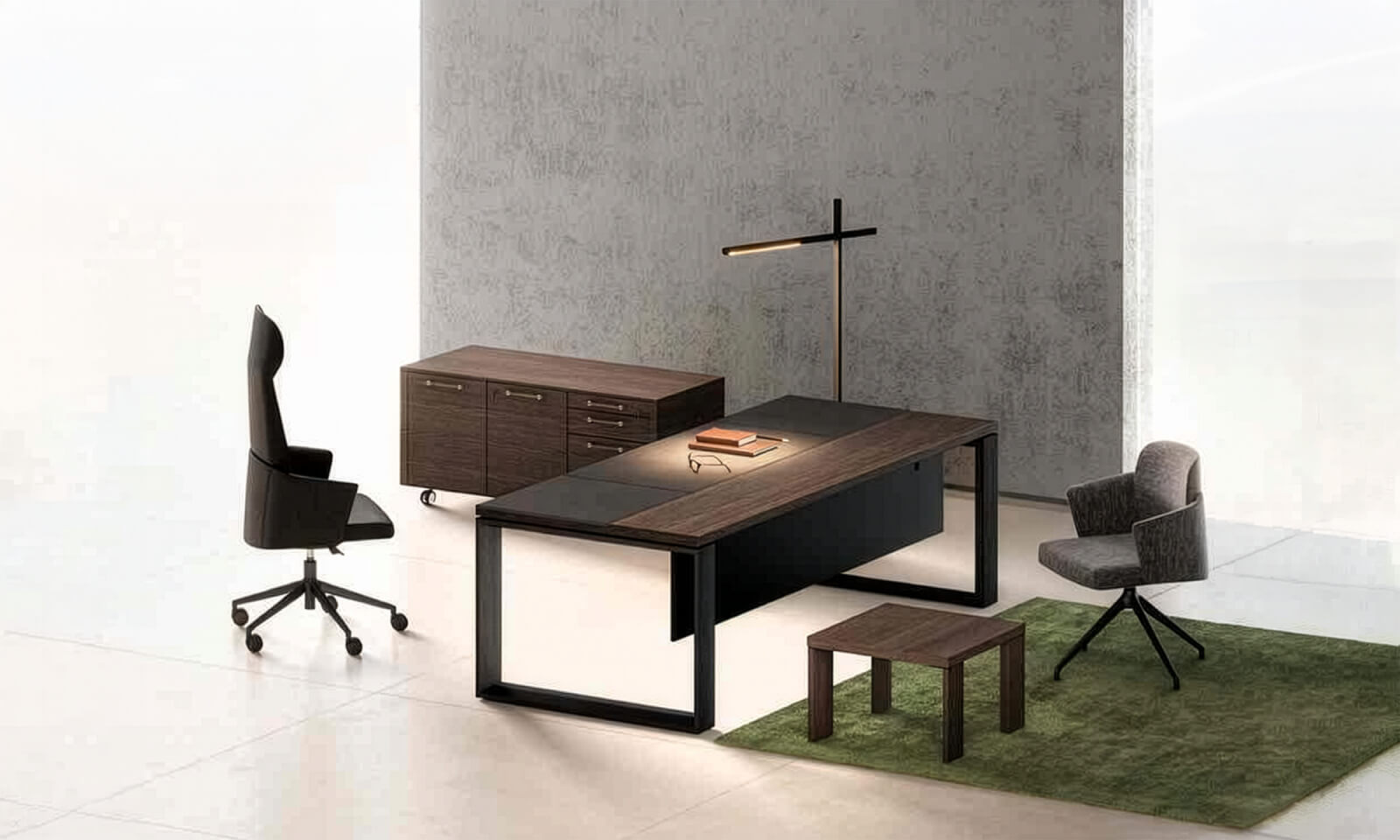
Soft edges are commonly used in furniture designed for collaboration and comfort. Rounded table corners, curved seating, and radiused desk edges help reduce physical impact during prolonged use and make spaces feel more approachable.
These edge treatments are particularly effective in breakout areas, collaborative zones, and informal meeting spaces, where people gather frequently and move around furniture more freely. Soft edges support a relaxed environment without compromising functionality.
Hard Edges That Define Structure and Visual Order
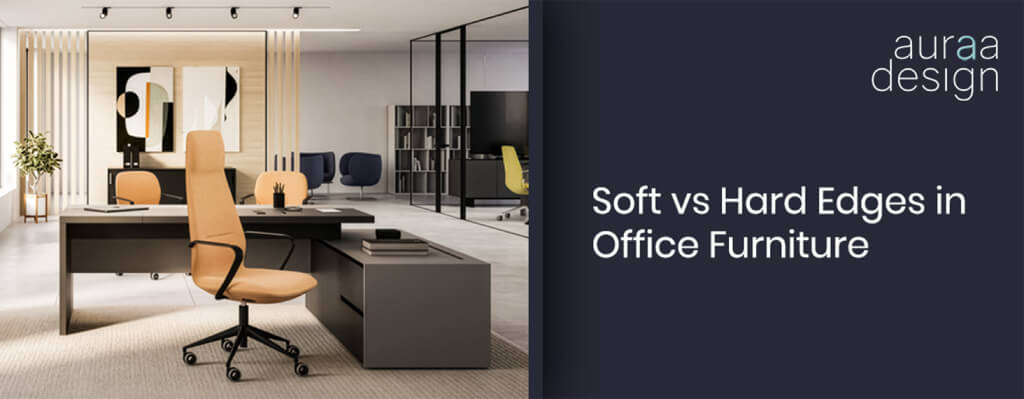
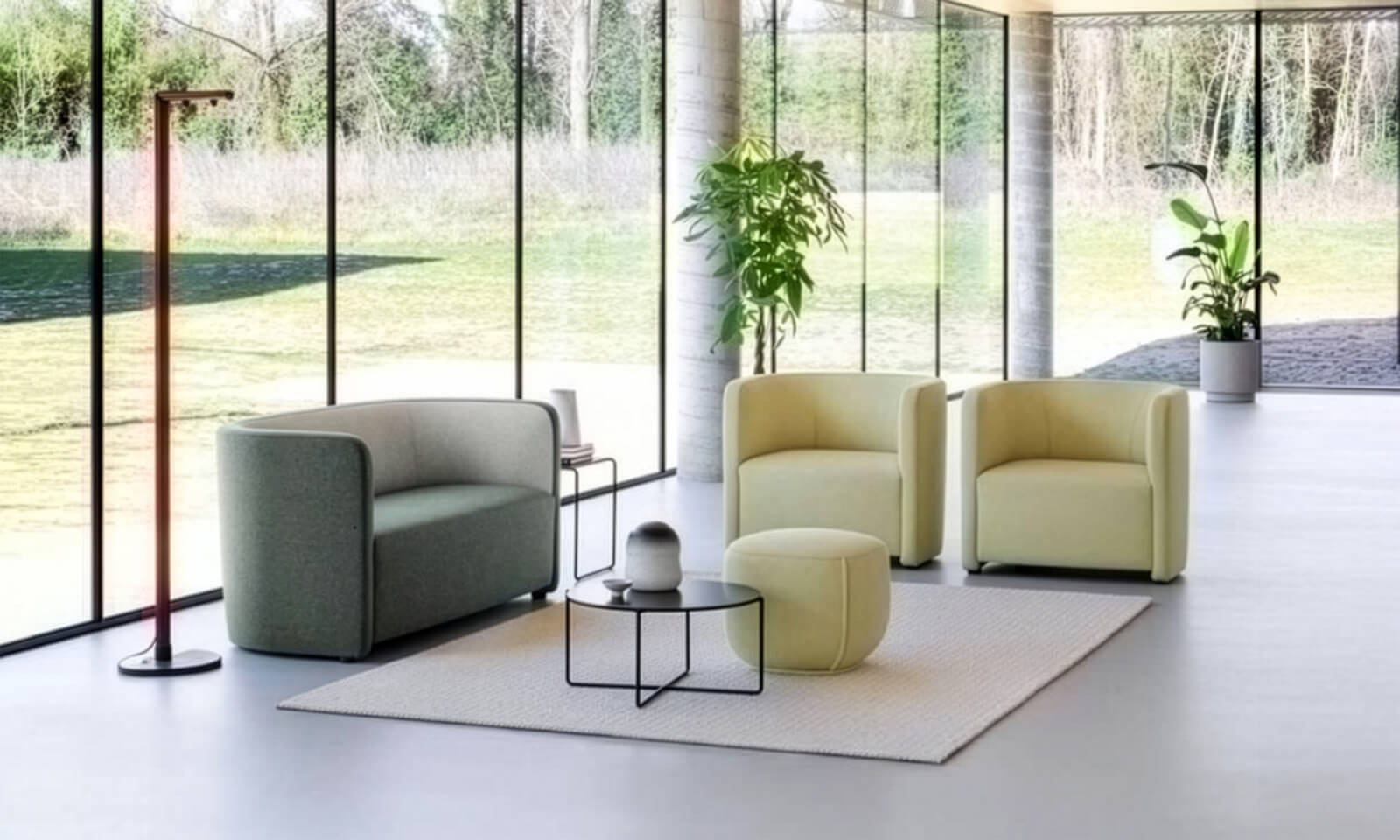
Hard edges serve a different purpose. Straight lines and crisp corners bring clarity and structure to furniture used in formal or task-driven settings. Executive desks, storage units, and workstations often rely on hard edges to establish alignment and visual discipline.
These edge profiles help reinforce order within leadership spaces and focused work areas. When used thoughtfully, hard edges contribute to a composed and professional environment, supporting concentration and spatial organisation.
Choosing the Right Edge Treatment Based on Function and Space
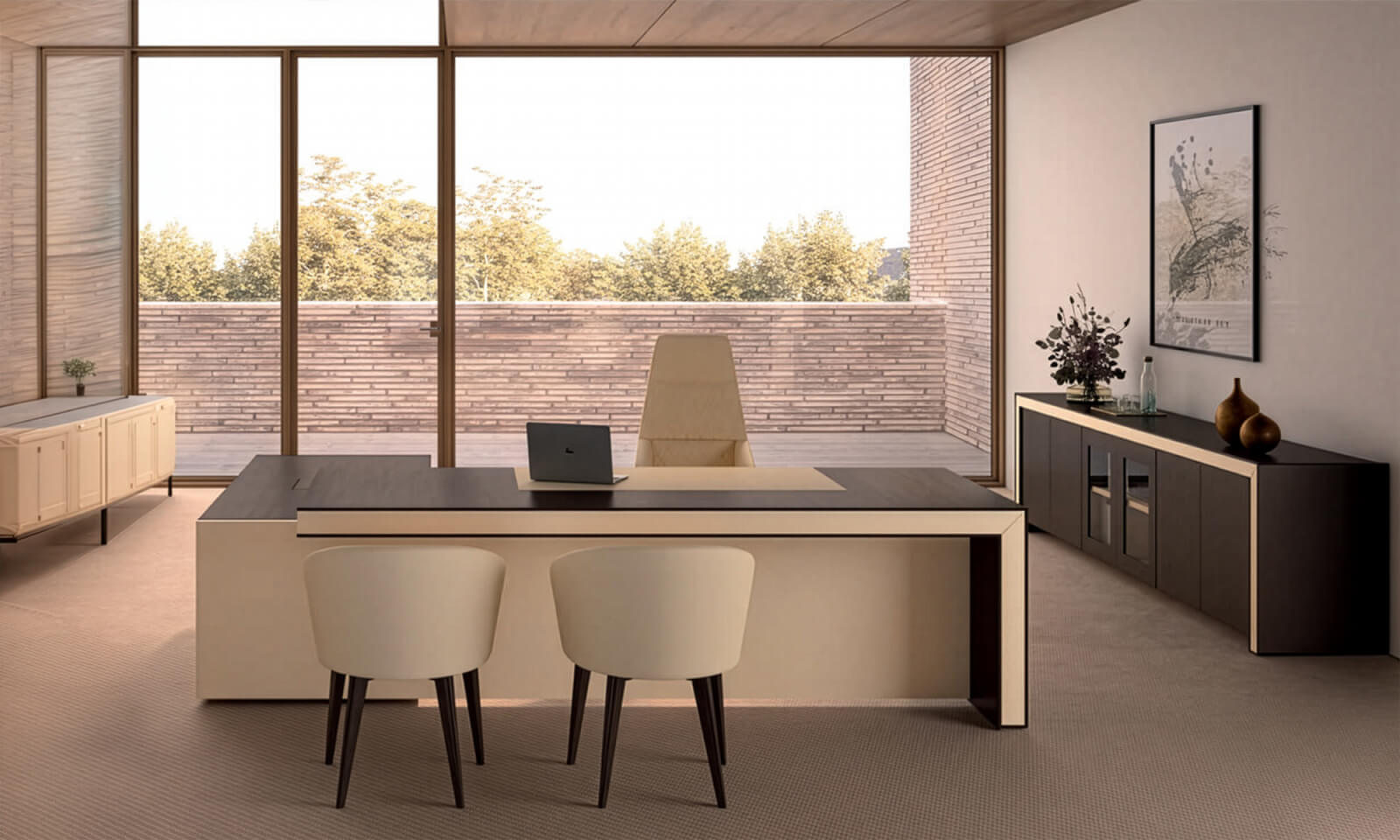
In practice, most offices benefit from a considered mix of both soft and hard edges. The key is aligning edge design with how each space is used. Areas that require movement, interaction, and comfort benefit from softer profiles, while spaces focused on structure and task efficiency rely on defined edges.
By selecting edge treatments based on function rather than preference alone, offices can achieve a balance that supports daily use, safety, and visual consistency across different zones.
Wrapping Up
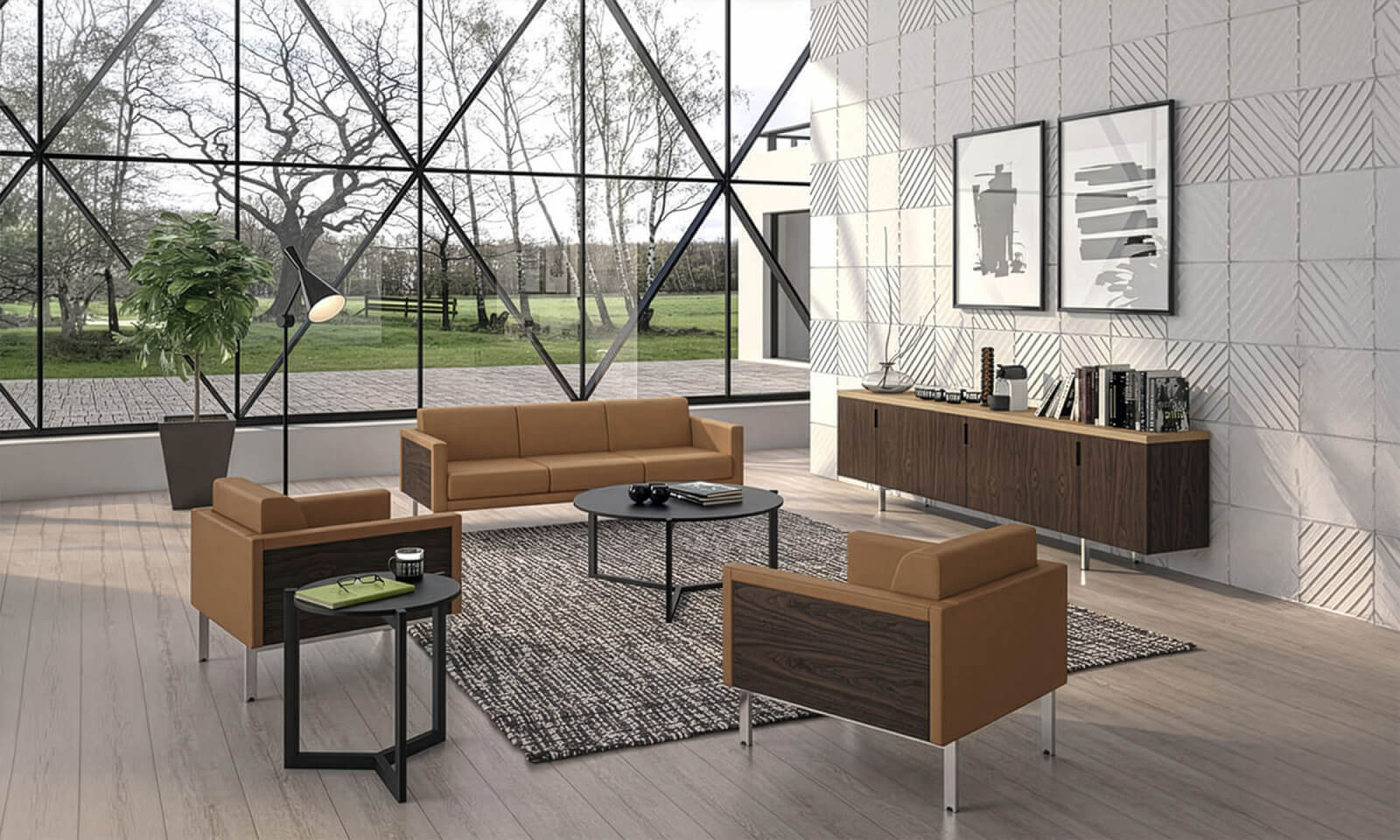
Soft and hard edges each play a distinct role in office furniture design. Rounded profiles enhance comfort and ease of movement, while defined edges bring structure and clarity to workspaces.
When edge design is chosen with intention, furniture supports how spaces are used rather than simply how they appear. Contact us today to explore office furniture solutions designed with thoughtful detailing to support modern workplace needs.
RELATED POSTS

Height Adjustable Desks : A Simple Way to Boost Focus and Energy

The Anatomy of a Well-Matched Workspace: Layout, Furniture, and Flow

Designing a Reception Desk That Meets DDA Access Standards Without Losing Style

Hot desking: what is it and how to implement it

Why Seating Choice Impacts Collaboration More Than Table Design
Height Adjustable Desks : A Simple Way to Boost Focus and Energy
The Anatomy of a Well-Matched Workspace: Layout, Furniture, and Flow
Designing a Reception Desk That Meets DDA Access Standards Without Losing Style
Hot desking: what is it and how to implement it
Why Seating Choice Impacts Collaboration More Than Table Design
Height Adjustable Desks : A Simple Way to Boost Focus and Energy
The Anatomy of a Well-Matched Workspace: Layout, Furniture, and Flow
Designing a Reception Desk That Meets DDA Access Standards Without Losing Style
Hot desking: what is it and how to implement it