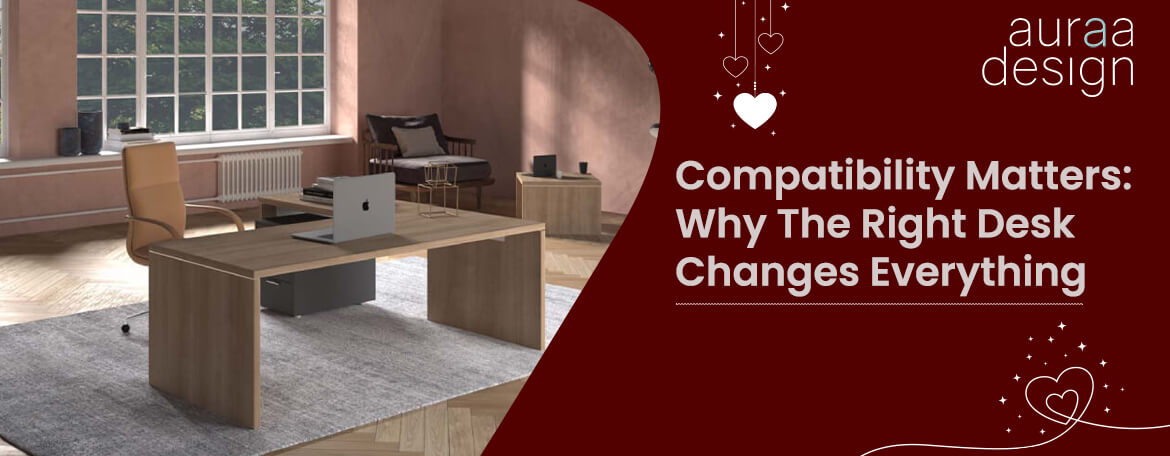
Compatibility Matters: Why The Right Desk Changes Everything
Table of Contents
1. Introduction
2. Compatibility Matters: Why the Right Desk Changes Everything
2.1. When a Desk Fits the Way Work Actually Happens
2.2. Why the Right Desk Proportions Support Comfort and Focus
2.3. Storage and Desk Layouts That Work Together Seamlessly
2.4. Choosing Desks That Stay Relevant as Roles and Needs Change
2.5. Desk Compatibility That Supports Movement and Physical Comfort
3. Wrapping Up
Introduction
In office design, compatibility is often overlooked. Desks are selected based on appearance, size, or availability, without fully considering how they align with daily tasks, movement, and long-term use. Much like any well-matched partnership, the right desk works quietly in the background, supporting routine, structure, and productivity without friction.
Compatibility Matters: Why the Right Desk Changes Everything
As workplaces continue to evolve, the relationship between people and their work surfaces has become more important than ever. A desk that fits the way work is done can change how efficiently, comfortably, and confidently teams operate each day.
When a Desk Fits the Way Work Actually Happens
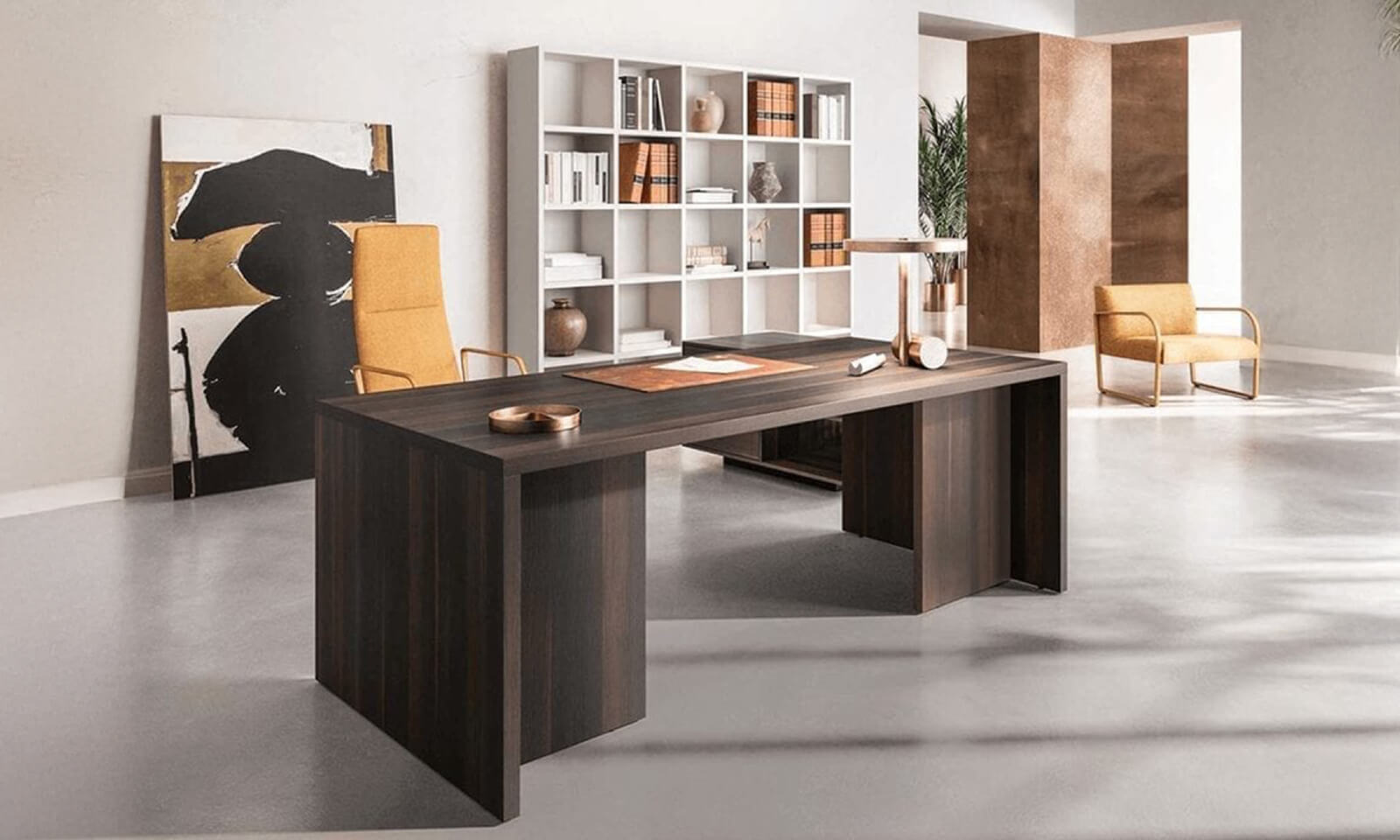
A compatible desk reflects real working habits rather than idealised setups. Surface depth, usable space, edge detailing, and leg positioning all influence how comfortably tasks are carried out across the day.
When a desk is designed around everyday use, it supports focused work, frequent interactions, and the practical demands of leadership or team-based roles. This alignment reduces the need for constant adjustments and allows work to flow naturally without the desk becoming a constraint.
Why the Right Desk Proportions Support Comfort and Focus
Desk proportions play a critical role in maintaining comfort over long working hours. A surface that feels too compact can limit movement and organisation, while oversized desks can disrupt circulation and visual balance within the office.
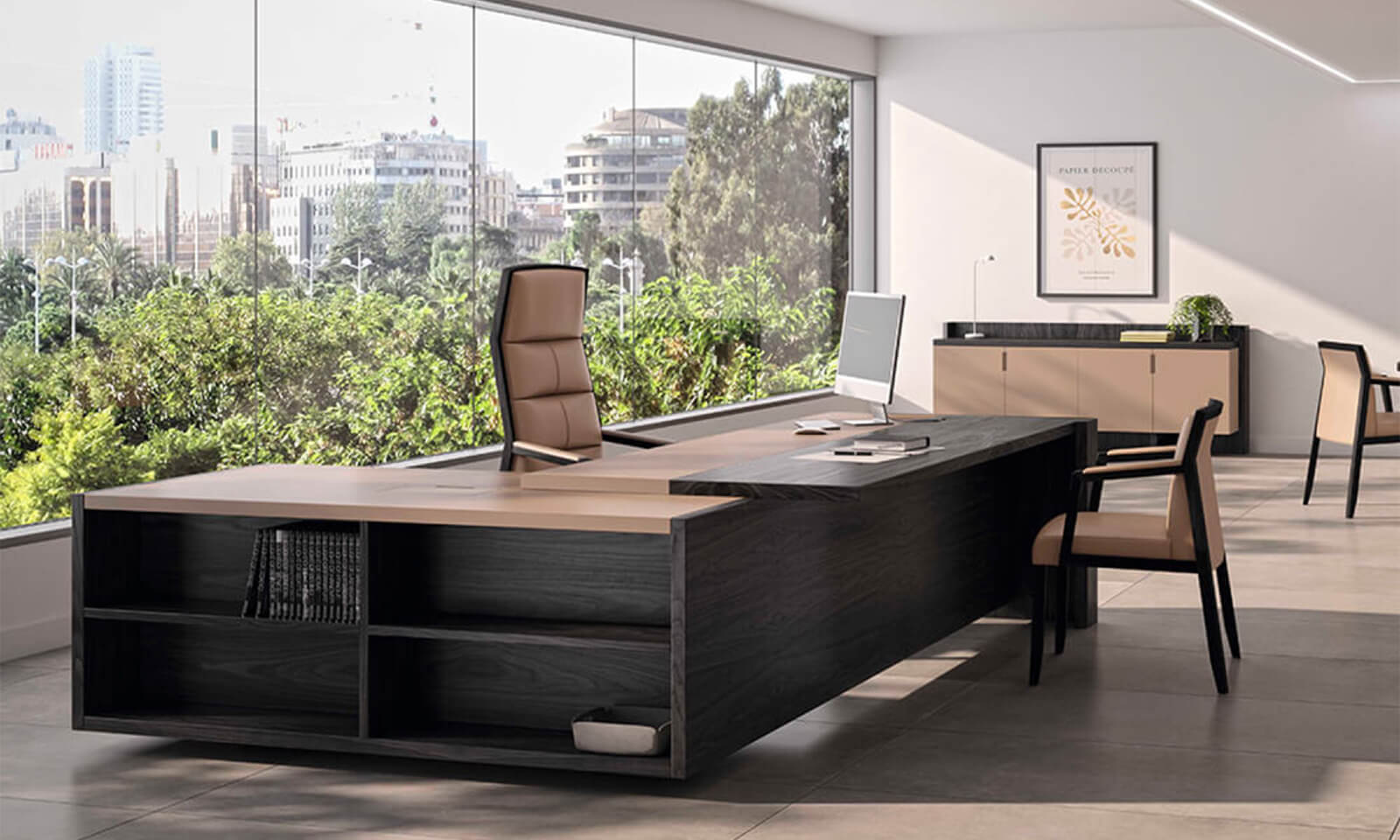
Well-proportioned executive and operator desks are designed to support different working demands while maintaining clarity across the workspace. They allow essential tools, screens, and documents to remain within easy reach without crowding the surface. This balance supports posture and concentration, helping users stay focused throughout the day without feeling restricted or visually overwhelmed.
Storage and Desk Layouts That Work Together Seamlessly
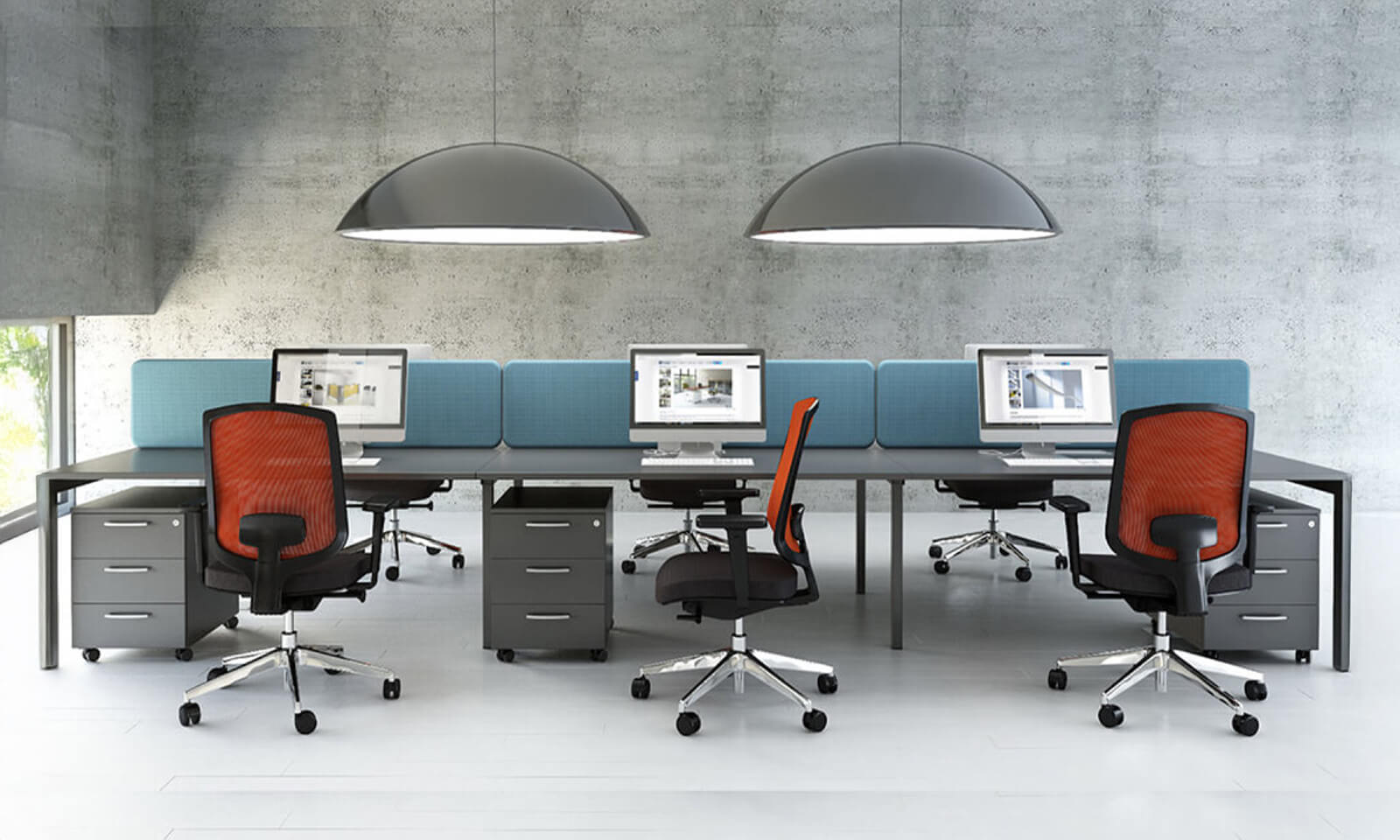
A desk rarely functions in isolation. Compatibility extends to how storage elements such as credenzas, returns, and pedestals integrate with the primary work surface. These components support organisation by keeping frequently used items accessible without cluttering the desk.
When storage and desk layouts are planned together, workflows become more intuitive. Documents, devices, and personal items are accommodated without interrupting the working surface, allowing the desk to remain organised and efficient throughout the day.
Choosing Desks That Stay Relevant as Roles and Needs Change
Work roles are rarely fixed. As responsibilities shift and technology becomes more integrated into everyday tasks, desks must be able to adapt without needing full replacement or redesign.
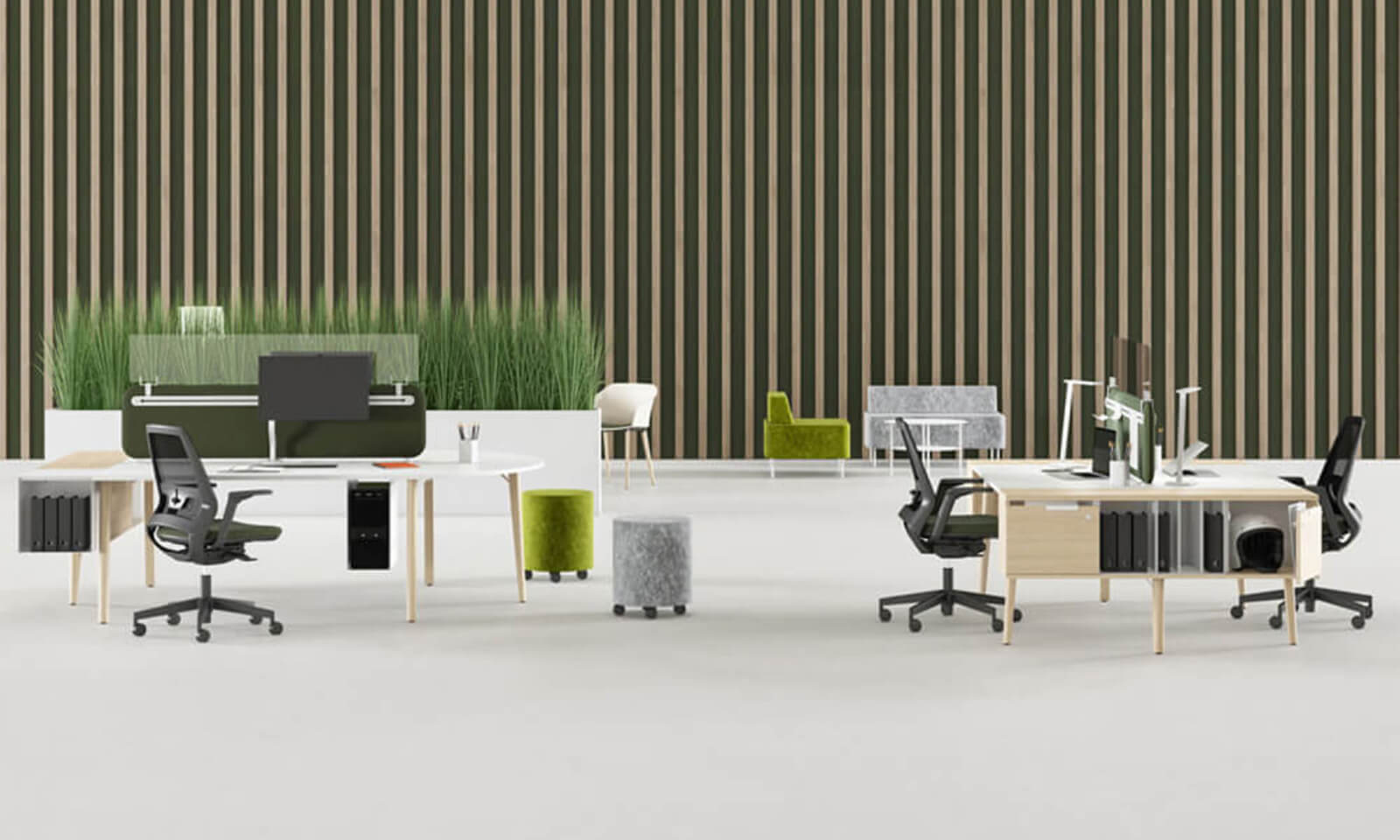
Compatible desk systems are designed with this flexibility in mind. Configurable layouts, optional returns, and integrated storage options allow desks to expand or adjust as requirements change. When paired with flexible seating that supports different postures and working patterns, these setups ensure workspaces remain functional over time while maintaining visual and operational consistency across the office.
Desk Compatibility That Supports Movement and Physical Comfort
Physical comfort is a key aspect of desk compatibility. Prolonged static posture can affect focus and wellbeing, making movement an important part of everyday work.
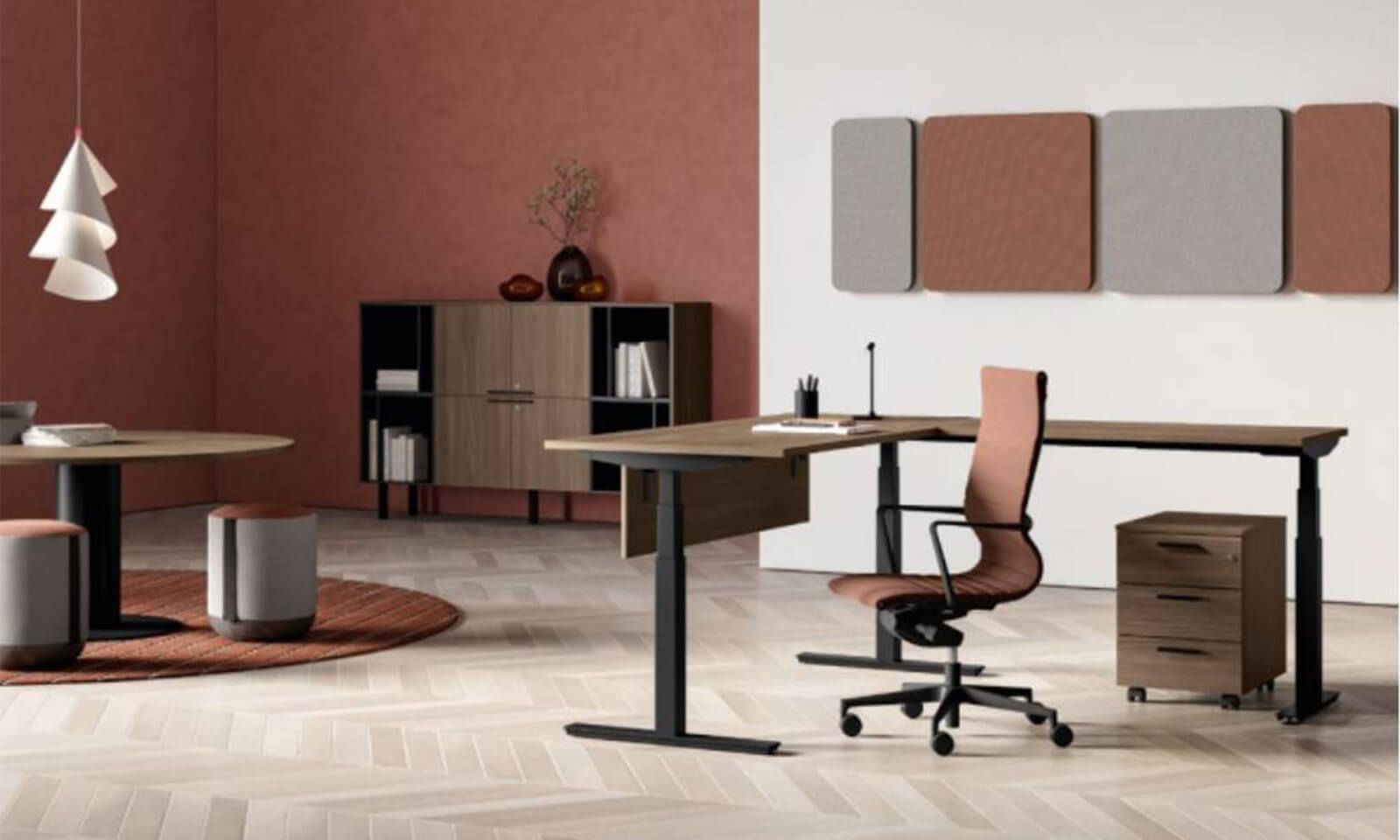
Desks designed to support movement, including height-adjustable options, allow users to alternate between sitting and standing throughout the day. This flexibility supports circulation, reduces fatigue, and contributes to a more balanced working experience. When movement is built into desk design, it becomes a natural part of the workday rather than an afterthought.
Wrapping Up
Compatibility in desk design goes beyond appearance. When a desk aligns with workflow, proportions, storage needs, adaptability, and physical comfort, it becomes a reliable foundation for daily work.
Choosing the right desk supports efficiency, organisation, and long-term use, allowing workspaces to perform consistently as needs change.
Contact us today to explore desk solutions designed to support compatibility, comfort, and everyday performance in modern offices.
RELATED POSTS

Height Adjustable Desks : A Simple Way to Boost Focus and Energy

The Anatomy of a Well-Matched Workspace: Layout, Furniture, and Flow

Soft vs Hard Edges in Office Furniture

Designing a Reception Desk That Meets DDA Access Standards Without Losing Style

Hot desking: what is it and how to implement it
Height Adjustable Desks : A Simple Way to Boost Focus and Energy
The Anatomy of a Well-Matched Workspace: Layout, Furniture, and Flow
Soft vs Hard Edges in Office Furniture
Designing a Reception Desk That Meets DDA Access Standards Without Losing Style
Hot desking: what is it and how to implement it
Height Adjustable Desks : A Simple Way to Boost Focus and Energy
The Anatomy of a Well-Matched Workspace: Layout, Furniture, and Flow
Soft vs Hard Edges in Office Furniture
Designing a Reception Desk That Meets DDA Access Standards Without Losing Style